
In Lesotho, the mushroom speaks
Or: the first good evidence of classical psychedelic use outside the Americas

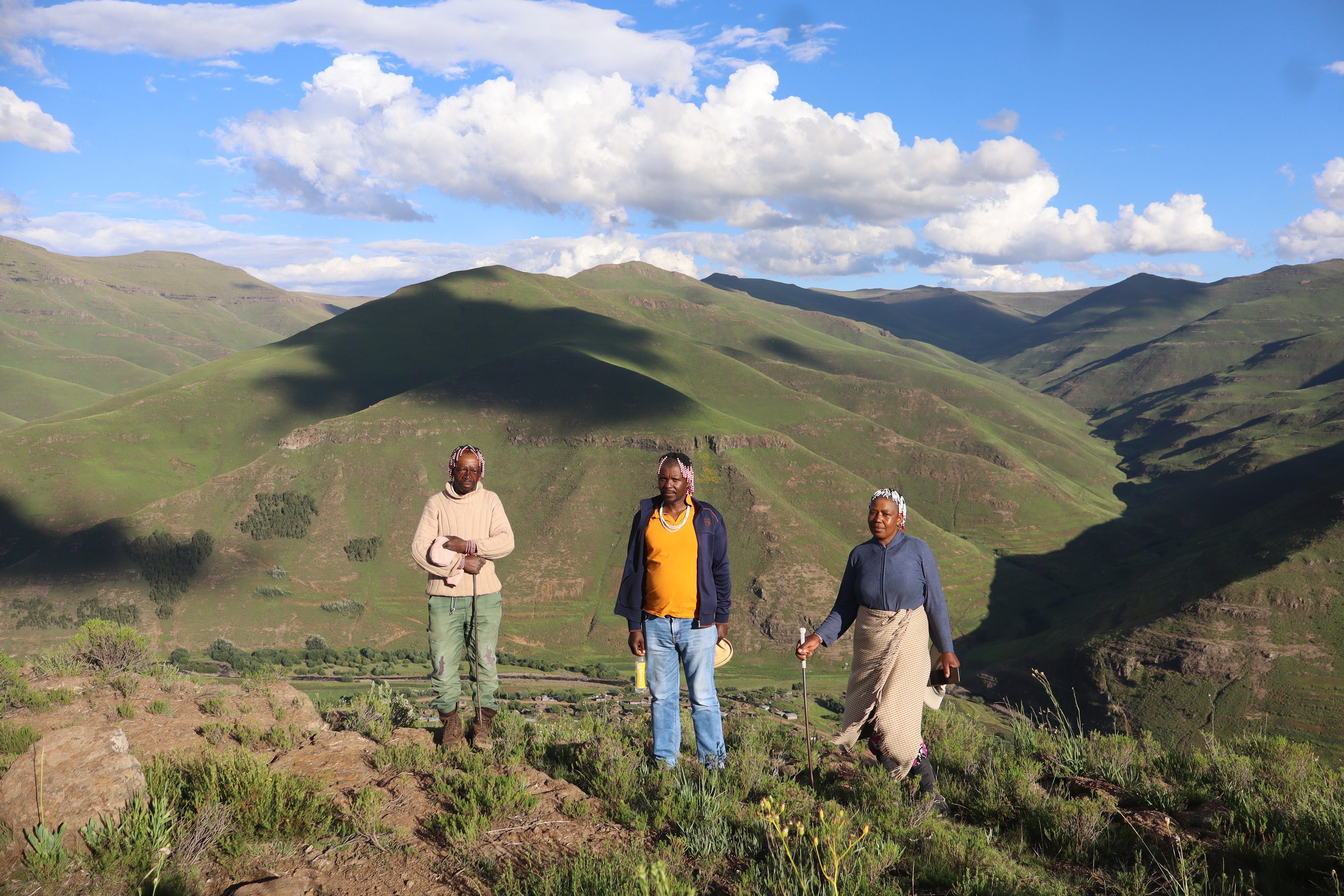
Note: This post is adapted from a preprint of an academic paper on psilocybin use in Lesotho. Portions of the text below are copied directly from the paper. You can read it here. It also contains the references for any empirical/statistical claims made in this post.
If you’re interested in psychedelics, you’ve probably encountered a book, podcast, article, or academic paper that makes a claim like this one: for thousands of years, most or all human cultures have used psychedelic substances for many religious and medicinal purposes.
This might sound uncontroversial. Hallucinogenic plants and fungi grow all over the world. These days, you can’t make it through the week without hearing a news story about the magical powers of psilocybin, iboga, or another psychedelic du jour. Of course people use them! Why wouldn’t they eat the things that one-shot their depression and make them feel like they’re talking to gods?
I agree — why wouldn’t they? But there is a big difference between a claim that is actually true — as in, verified by data — and a claim that simply feels like it must be true.
Much to the chagrin of podcasters and academics alike, the claim that psychedelic use is global and ancient falls in the latter camp. It feels true. In reality, we only have good evidence of psychedelic use in a small subset of societies. Virtually all of them come from a few scattered regions in the Americas, with a few minor exceptions. When it comes to rest of the globe, we simply do not yet have direct evidence of people using psychedelics for anything.
Classical psychedelics — those that mainly work upon serotonin 5-HT2A receptors in the brain, like psilocybin — are especially rare in human cultures. These are the psychedelics that appear to have lots of clinical utility. Yet outside the Americas, there is zero direct evidence of classical psychedelic use.
Which is a bit odd — psilocybin mushrooms grow on every inhabited continents, and we discover new species every year. Mainly because they’re so common — though also because of psilocybin’s massive cultural cachet — scholars have spent several decades speculating about all the other cultures that surely, probably, maybe consumed (or continue to consume) these fungi.
Next year, we’ll hit the 70th anniversary of Gordon Wasson’s article in LIFE Magazine, in which he revealed the use of psilocybin in Mexico among the Mazatec Indians. His story spurred our modern obsession with psychedelics, a billion-dollar industry, and myriad claims about their role in human culture and evolution.
Here’s a list of every place where, since that article, ethnographers have found evidence of indigenous psilocybin use: Mexico, among the Mazatec Indians. End of list.
Until now.
Beginnings
Last spring, I was wrapping up the first year of my PhD in Evolutionary Anthropology. I needed to find somewhere to do fieldwork and a subject to study while I was there.
Over the prior months, I had spent a lot of time thinking about religious experience — specifically, I was interested in the techniques that people develop through cultural evolution to induce these experiences and make them as immersive as possible. So I decided to work in a community where people were using interesting and novel techniques to structure these experiences: Sibundoy, Colombia. Known for its ubiquitous ayahuasca rituals, often scaffolded by music, Sibundoy seemed like a great place to study how two especially powerful techniques — music and psychedelics — intersected to structure religious experiences.
Was this an especially novel subject? No. Did I have an actual research question? No. Did I have a good plan for answering the central question that I had not yet selected? Definitely no. But the first fieldwork session is usually a pilot — the budding anthropologist travels to a site, gets to know the community, then finds interesting stuff to study as they go.
I bought my tickets. As of late May 2025, I was prepared to learn about ayahuasca in Sibundoy.
Then my advisor, Manvir Singh, sent me a paper about mushrooms in Africa. The authors described two new species of Psilocybe mushroom — per the genus, this is the group of mushrooms that contains psilocybin. Both species were native to southern Africa. On its own, that was intriguing.
But the real kicker came in a short paragraph titled “Traditional Use” that focused on a species native to Lesotho, Psilocybe maluti. Here is the excerpted paragraph:
The indigenous name for P. maluti is given as koae-ea-lekhoaba, and the psychoactive mushroom is used to induce a trance-like state. A brew is made by collecting large quantities of P. maluti and steeping the mushrooms in warm water, along with Boophone disticha (L.f.) Herb., a strong hallucinogenic plant, known locally as seipone or leshoma . . . The Psilocybe and Boophone extract, referred to as seipone sa koae-ea-lekhoaba, is consumed by the patient, who is then placed in front of a reflective surface and relays the hallucinations/visions seen in the reflection to the healers who interpret these as answers to the patient’s spiritual questions.
As the authors note: “This appears to be the only recorded firsthand report of hallucinogenic mushrooms being used traditionally in Africa and the first mention of hallucinogenic mushroom use in Sub-Saharan Africa.” Actually, this was an understatement. If true, it would have constituted the only direct evidence of classical psychedelic use outside the Americas.
Naturally, the report sparked a small media storm, much of which heavily exaggerated the claims. On the Joe Rogan Experience, Paul Stamets claimed that the local healers sang songs and told stories about P. maluti.1 Hamilton Morris published a 90-minute interview with one of the co-authors on the paper. Various science writers and Substackers wrote in breathless terms about the ‘ancient traditions’ that had now been ‘rediscovered.’
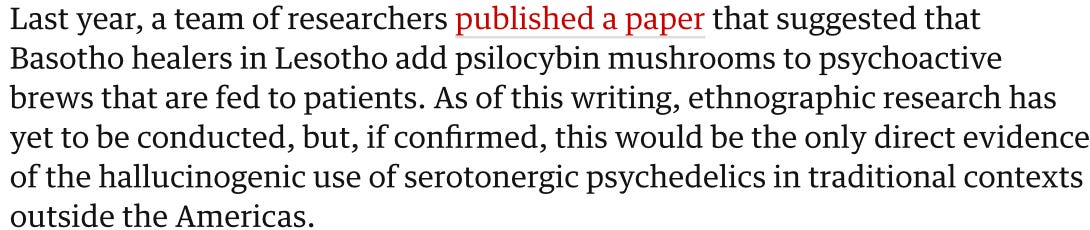
But as Manvir pointed out in a Guardian article on psychedelic use around the world: “Big if true.”
The report was suggestive, but it wasn’t scientifically robust. How many healers said they use the mushroom, and how many said that they don’t? Were they interviewed independently? What kinds of interview procedures were used to make sure they had hadn’t misidentified the mushroom or confabulated their answers? If the mushrooms were, in fact, being used, was their usage restricted to the mirror ritual?
Etcetera. On almost every count, whether the mushrooms were definitively being used — and if so, how — was an open question. And it was all much more interesting than whatever I had planned to do in Sibundoy.
I scrapped my tickets to Colombia, emailed the first author of the paper — Breyten van Der Merwe, now a close friend and collaborator — and asked who had conducted the initial interviews with the healers. He put me in touch with a woman named Mamosebetsi Sethathi: Betsy for short.
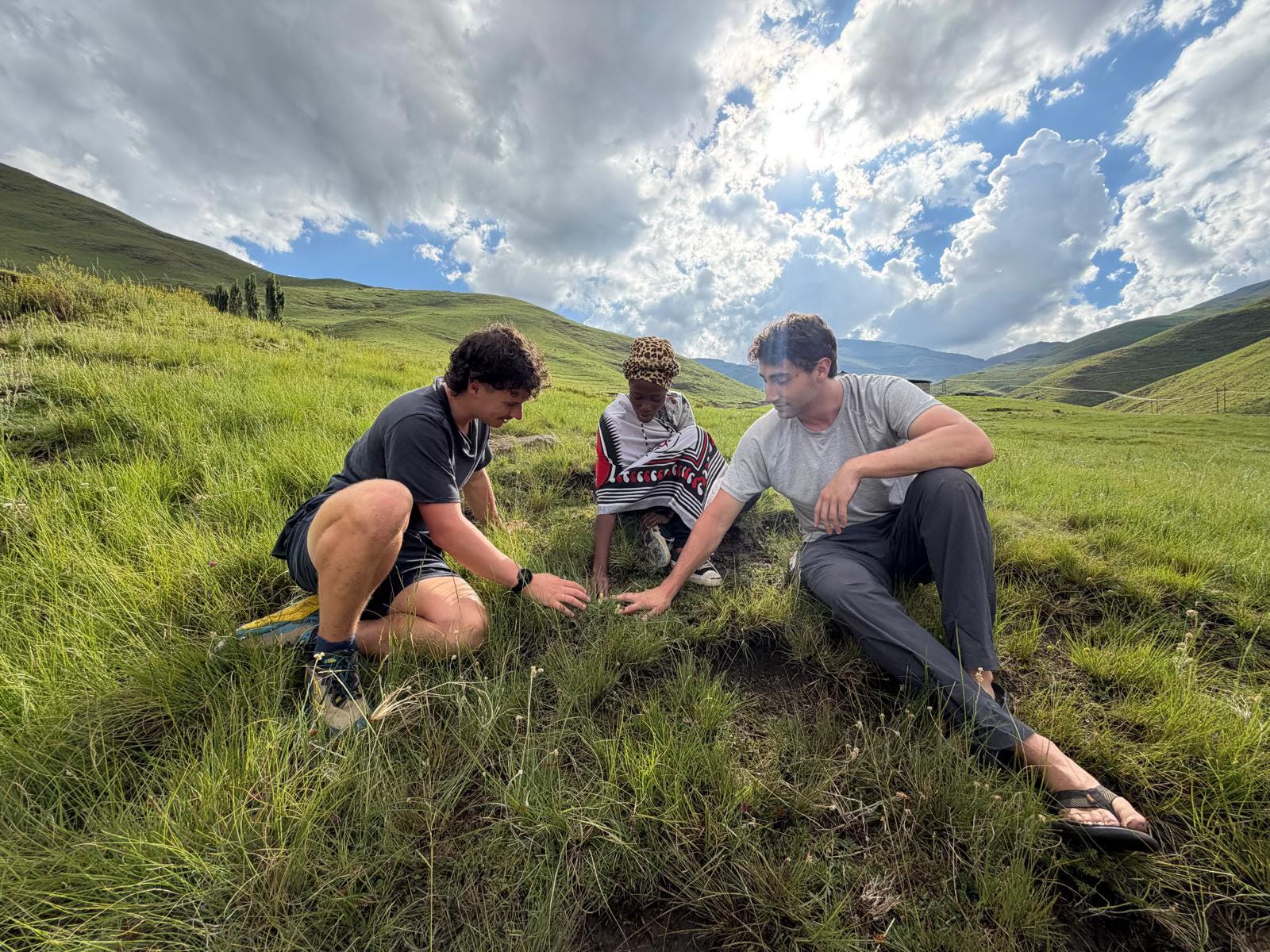
Betsy is utterly unique. She is a trained traditional healer from Lesotho, fluent in four languages, and a Master’s student at the University of Exeter. Given her wealth of traditional and scholarly knowledge, as well as her connections to healers across Lesotho and South Africa, I am convinced that there is literally no one else in the region so prepared to carry out scientific research on Basotho healing practices.
Fortunately for me, Betsy was keen to work together. In July 2025, I traveled to Lesotho, and we spent six weeks talking to as many Basotho healers as possible. I returned a few months later for another four weeks of research.
Leh-soo-too, not Leh-soe-thoe
Before getting to the results of those interviews, I’ll provide some ethnographic context on traditional healing in Lesotho.
First, a terminological note: a healer is technically referred to as lethuela in Sesotho, but it is more common for people to use the term sangoma, derived from Zulu. From here, I’ll use sangoma to refer to the general category of traditional Basotho healers.
Despite the widespread influence of Christianity throughout Lesotho, traditional healing remains central to Basotho life. There is roughly 1 sangoma per 500 people in Lesotho compared to only 1 doctor per 40,000 people. Approximately 40% of Basotho people in Maseru, the urban capital, report consulting with traditional healers; a similar percentage of pregnant Basotho women have reported such consultations during their pregnancy.
Most or all sangomas acquire their profession and abilities by communicating with and exerting control over ancestral spirits. The journey into healing begins with a calling, in which ancestral spirits demand that an individual begin initiation. They assert this demand by striking the victim with a sickness that manifests through physical and mental pathologies, including bodily pains, vivid dreams, and auditory hallucinations. To alleviate the sickness, the victim must find a gobela — a spiritual teacher — to initiate them as a sangoma. Refusing this call leads to the worsening of the sickness and ultimately death.
The training process varies in length. Some initiates report training for several months, while others report training for a year or more. The details of training are similarly variable. However, it is common for initiates to live in the home of their gobela throughout the entirety of their initiation. During this time, they generally must abstain from sex and obey the orders of their gobela completely. In some cases, initiates must also refrain from contact with direct sunlight; if they need to go outside, they must cover themselves completely and wear a straw hat. At three-hour intervals, initiates pray, drum, and dance. At the conclusion of this process, they perform a public graduation, in which they demonstrate their capacities to summon ancestral spirits, diagnose sickness, find lost objects, and perform other abilities acquired throughout initiation.
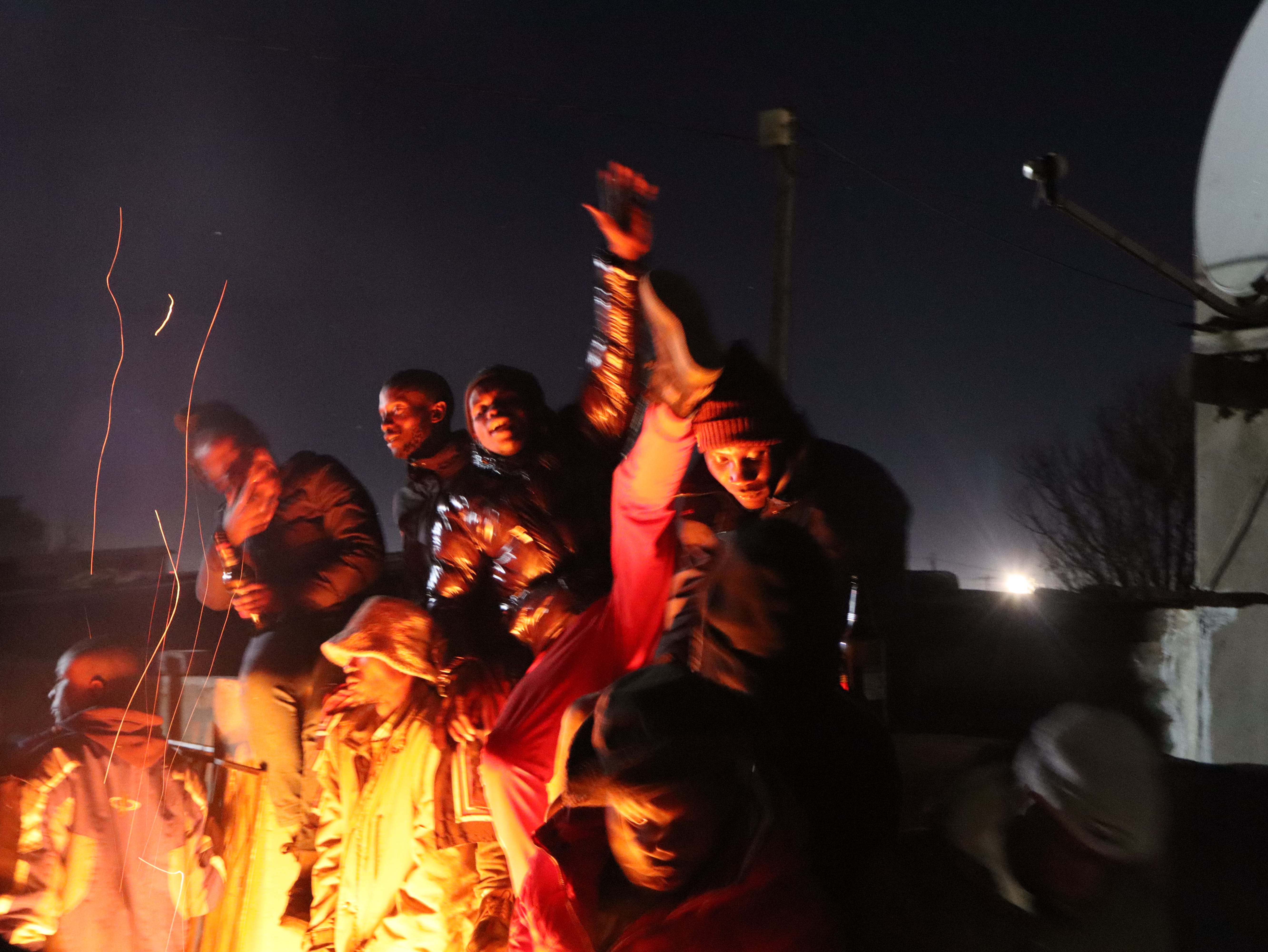
Another central part of initiation is the acquisition of an herbalistic toolkit. Upon graduation, sangomas usually possess extensive ethnobotanical knowledge that they will continue to expand for the rest of their lives. To some degree, this knowledge is acquired through direct teaching from a gobela. But to prompt transmission of how to use a particular plant, initiates typically must see the plant in a vision or dream and describe it to their gobela; at that point, the gobela knows that the ancestral spirits wish for the initiate to learn how to use the plant.
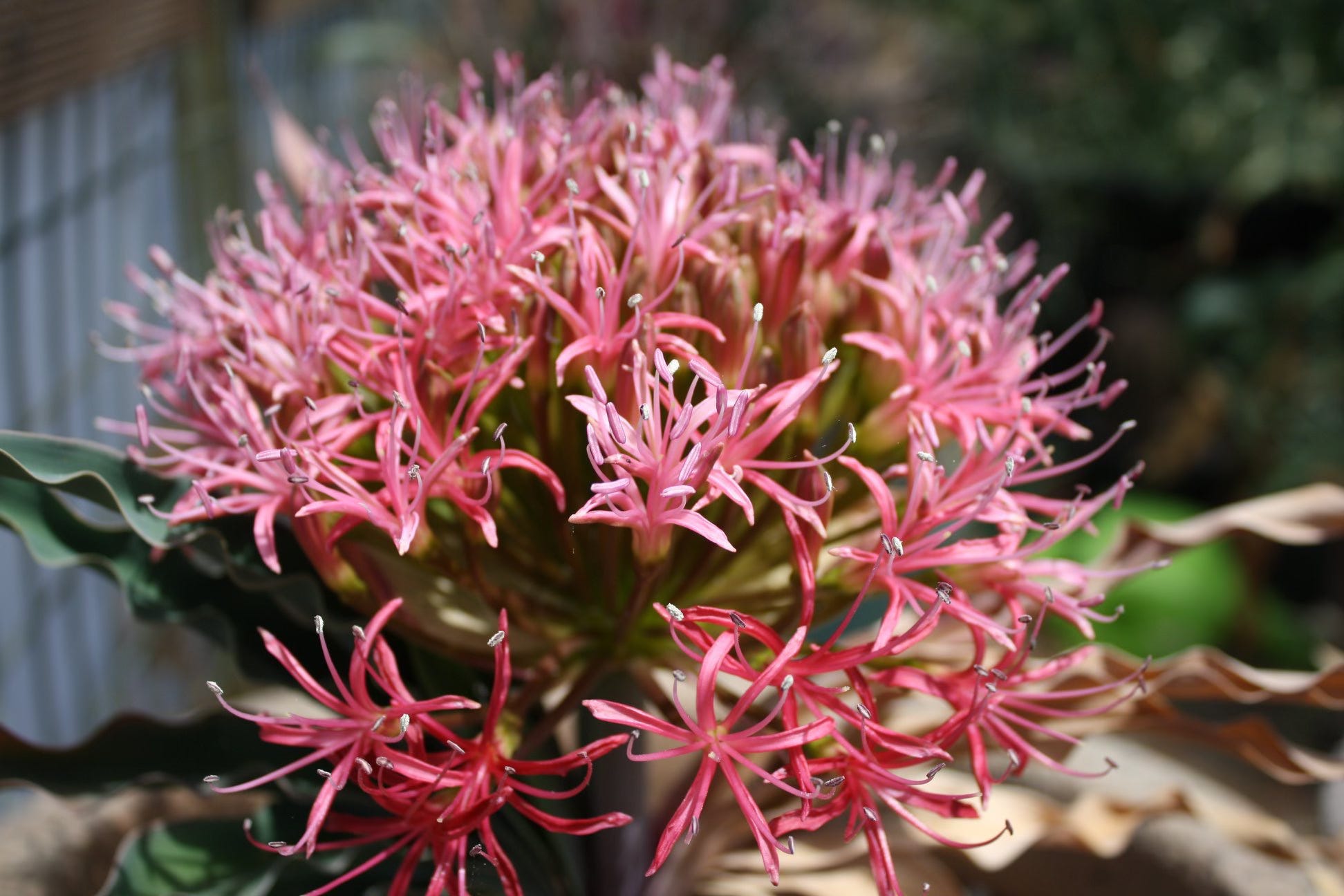
Many plants have been reported in use by Basotho sangomas. One comprehensive survey identified 303 distinct plant species used for ethnomedicinal purposes. Some are clearly psychoactive — Boophone disticha (L.f.) Herb., most obviously, is common and well-known for its hallucinogenic effects. The usage of others suggests possible psychoactive effects – for instance, many different plants are consumed to enhance the memory and visualization capacities of initiates – though most of the repertoire has not yet been directly tested for such effects.
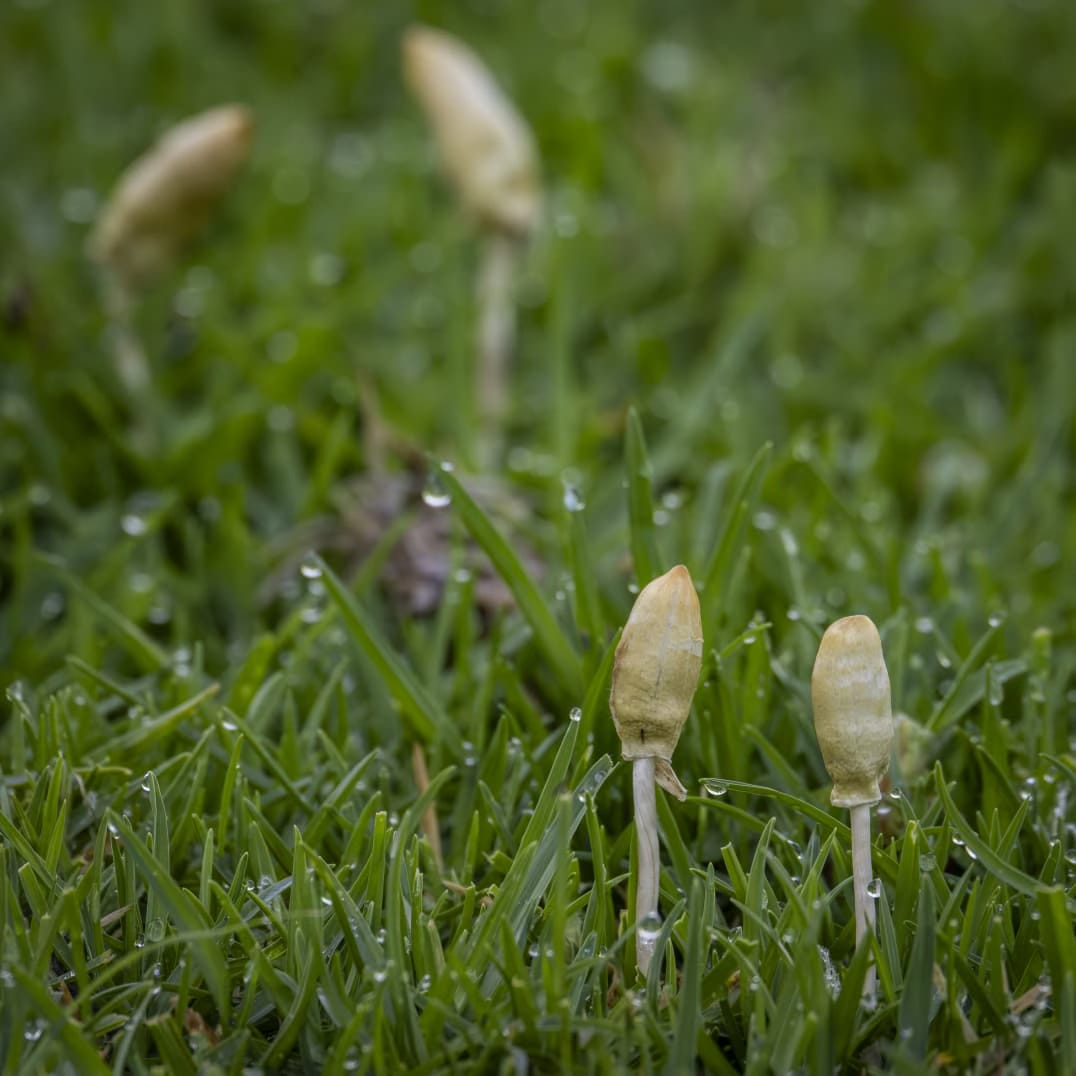
But most surveys have ignored mushrooms entirely. Even mushrooms known to be used widely among Basotho healers, like the Podaxis Desv. mushroom, are typically not mentioned in these surveys.
Thinning the Veil
It was with this ethnographic and ethnomycological context in mind that Betsy and I approached the interviews. Our questions for the sangomas were straightforward. Did they know about the mushroom? We confirmed their knowledge using detailed pictures and a series of confirmatory questions. If they were familiar — did they or others use it? If so, how, and what were the effects?
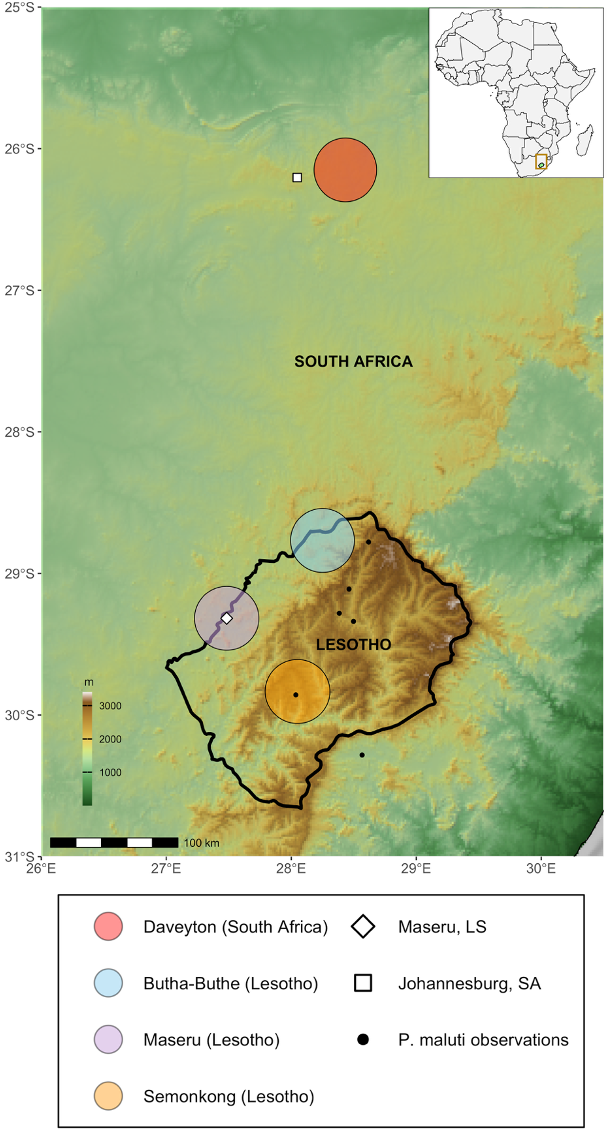
Below is a map of where we did the interviews (Figure 1). We focused on four locations that either had a high concentration of Basotho healers or were especially close to the documented range of P. maluti.
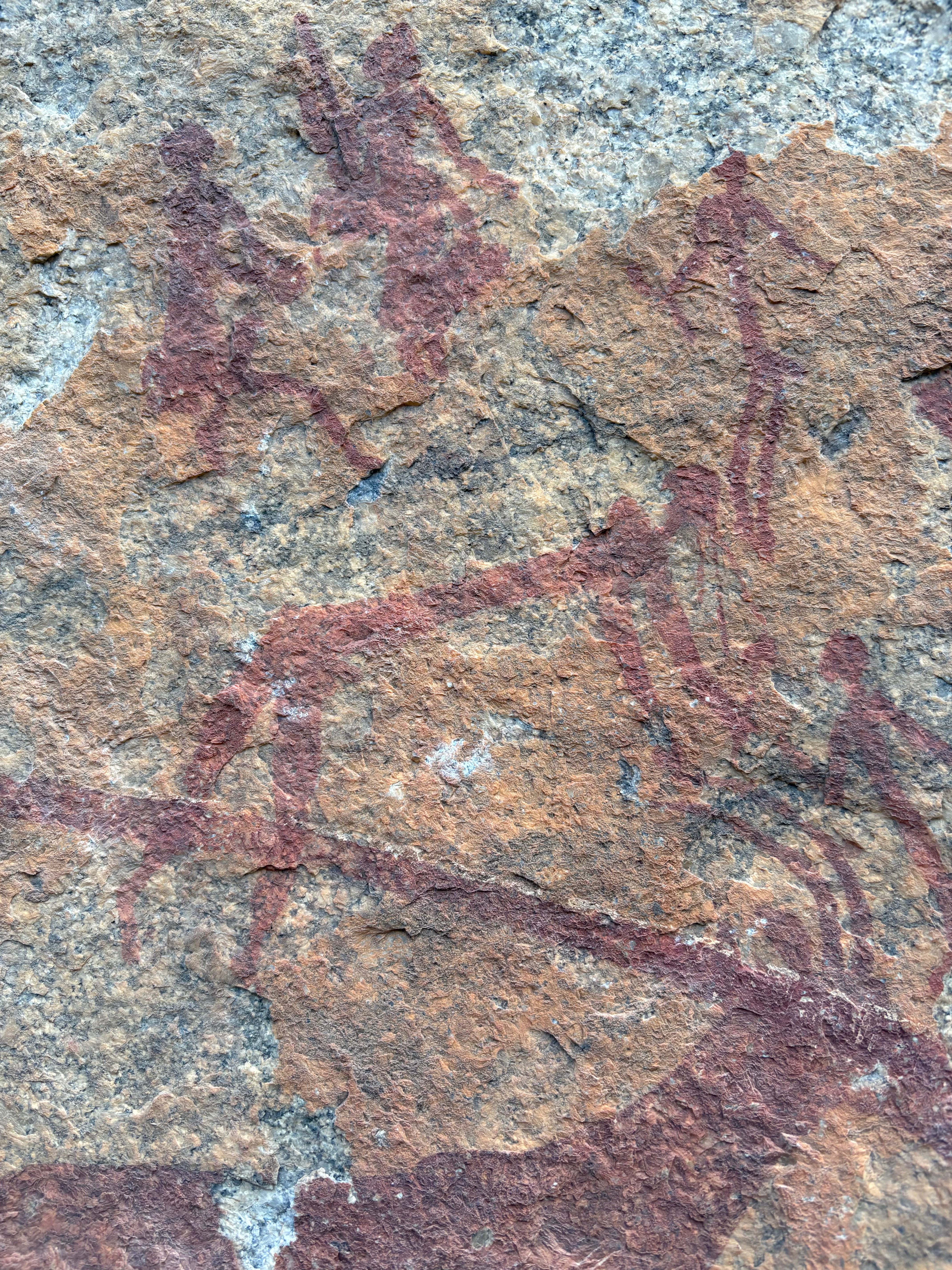
In other Substack posts, I’ve written about some of my specific experiences during these two fieldwork sessions. I attended all-night dances and witnessed people entering trance for the first time. I boofed a hallucinogenic brew and spent eleven hours being attacked by demons born from a shadowy wall. I saw rock art painted ten thousand years ago: I felt the horror of entropy tearing at the human soul, only to find it replaced by a sense of the Sisyphean beauty of our fruitless struggle to defeat it.
In this post, though I mostly want to focus on the results. Betsy and I have now completed the first in-depth ethnographic investigation of psilocybin use among Basotho healers.
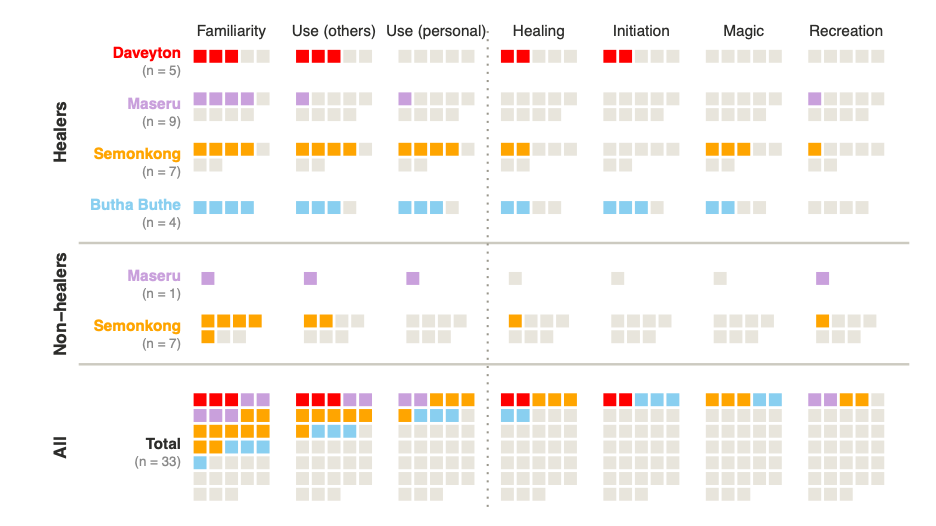
In total, we interviewed 26 healers. 15 correctly identified P. maluti; 10 failed to identify it; one person was excluded from the sample due to suspicions of falsified information. Of those that identified P. maluti, 7 healers independently reported both personal use and use by others, 5 reported only use by others, and 1 reported only personal use. Two reported no personal use or use by others.
We also interviewed 8 non-healers. Six were adolescent boys charged with grazing cattle, sheep, and goats, commonly referred to as herd-boys (n = 6). Two were neither herd-boys nor healers. Six of these non-healers were independently familiar with P. maluti. None mentioned personal use, while 3 mentioned use by others.
Interviewees reported uses in four categories: initiation, healing, recreation, and magic (Figure 2). Our interviews did not indicate that healers were aware of ritualistic, medicinal, or recreational psilocybin mushroom use in other parts of the world, though this possibility cannot be entirely ruled out.
Below, I’ll go into some depth about how interviewees described the role of P. maluti in each use category.
Initiation
Across healers from southern African Bantu-speaking groups, it is common for initiates to consume a preparation comprising various herbs, creepers, stems, and bark mixed together to produce a foamy brew. Xhosa and Zulu healers refer to the preparation as ubulawu; in our investigation, most healers used the term sethoto (Figure 3). In some cases, initiates consume sethoto in the mornings before vomiting it back out. Foam consumption typically occurs periodically throughout the day, before sleeping, and at intervals throughout the night.
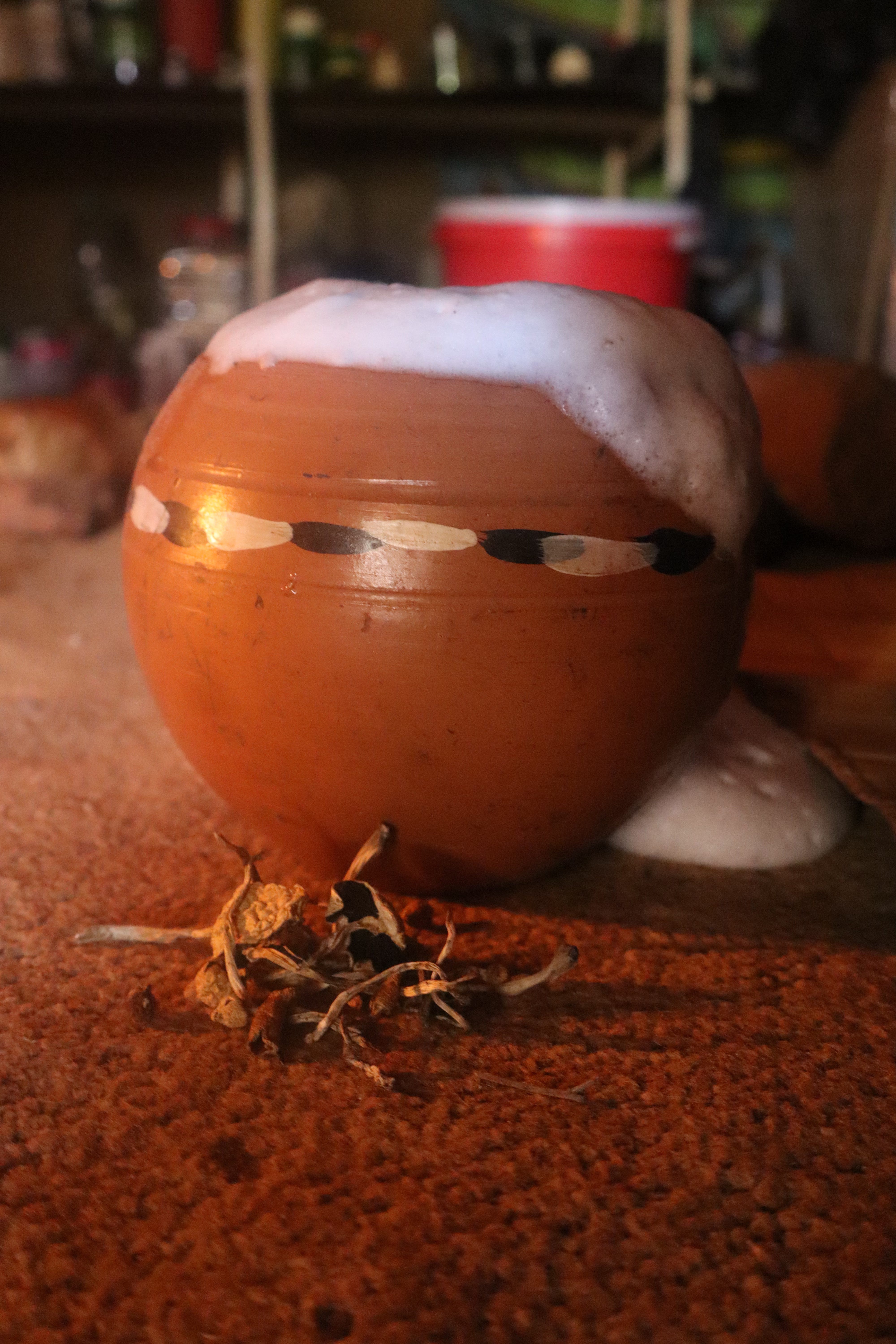
There is no singular recipe for sethoto — different healers use different plants in their preparations. Among Basotho healers, this variation is related to the spirits that an initiate is attempting to access; depending on the pertinent spirits, different recipes may be called for. However, the usage of the mixture is clearly based around the induction of psychoactive effects. The healers who discussed the use of sethoto, as well as prior ethnographic investigations, report that consuming and purging sethoto boosts the vividness and memorability of dreams and visions. Healers commonly frame this as a matter of thinning the veil between themselves and their ancestral spirits, which allows the spirits to communicate with them more fluidly.
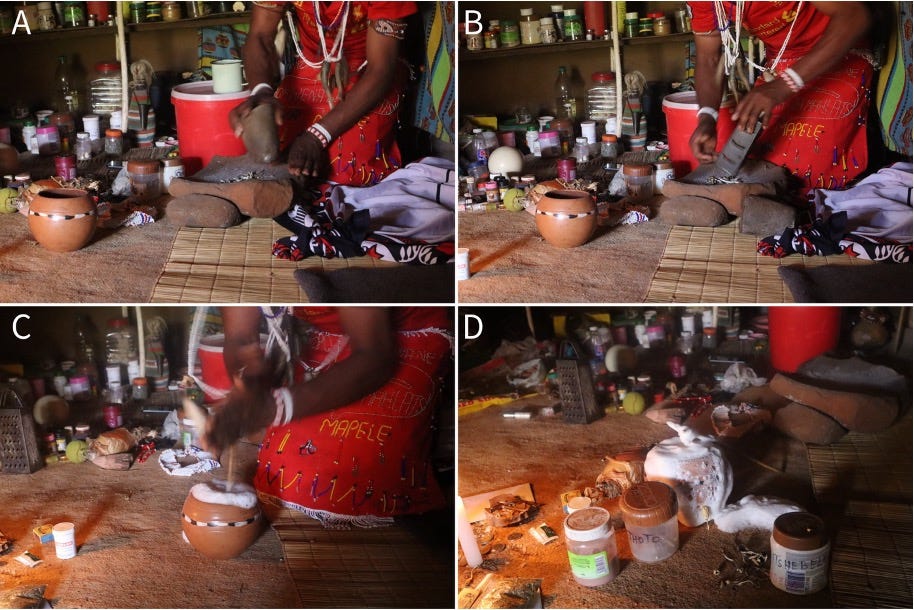
Five healers independently reported the incorporation of P. maluti into the sethoto brew (Figure 4). Four had either consumed sethoto that contained the mushroom during their own initiation or had prescribed it to their initiates; one had not used or prescribed it but was aware of other healers who had. In all cases, the reported purpose was roughly the same: sethoto (with P. maluti included) helped enhance the vividness of dreams and visions for initiates. More generally, the mixture helped initiates break through “blockages” in their training.
Healing
Seven healers mentioned use of P. maluti for treating physical, mental, and spiritual problems. I’ll note that it’s hard to distinguish between strictly mental ailments and ailments that are understood as spiritual in nature. Still, our initial interviews indicated the use of P. maluti for problems comparable to specific mental illnesses without any explicit spiritual framing. So I refer to those problems using Western clinical terms, such as “addiction” and “epilepsy”. However, further investigation may reveal a more culturally bound basis for these conditions.
Regarding physical problems, two healers reported powdering the mushroom and applying it to wounds or incisions. A third healer reported conducting the same process but as a form of protection against curses rather than a tool for physical healing (as discussed in a later section).
Four healers reported using the mushroom for alleviating mental problems that appeared to lack a spiritual framing. Two healers described preparations of P. maluti for treating addiction. One said that she created a snuff out of the mushroom to cure a patient’s addiction to methamphetamine. The other also created a snuff out of P. maluti and three other unidentified ingredients. Patients suffering from addiction were to snuff the powder twice a day for seven days, and family members would report back to him as to the patient’s progress.
A third healer described mixing the mushrooms into water alongside an unidentified white plant. Patients drink the preparation directly to treat epilepsy and asthma. A fourth healer reported mixing the mushrooms into an infusion or porridge, which patients then ingested repeatedly for a month.
More explicitly spiritual problems were another common category of application. Two healers described using P. maluti to cure “food poisoning”: as the result of a curse being cast upon them, a victim dreams that they have eaten poisoned food, which makes them sick upon awakening.
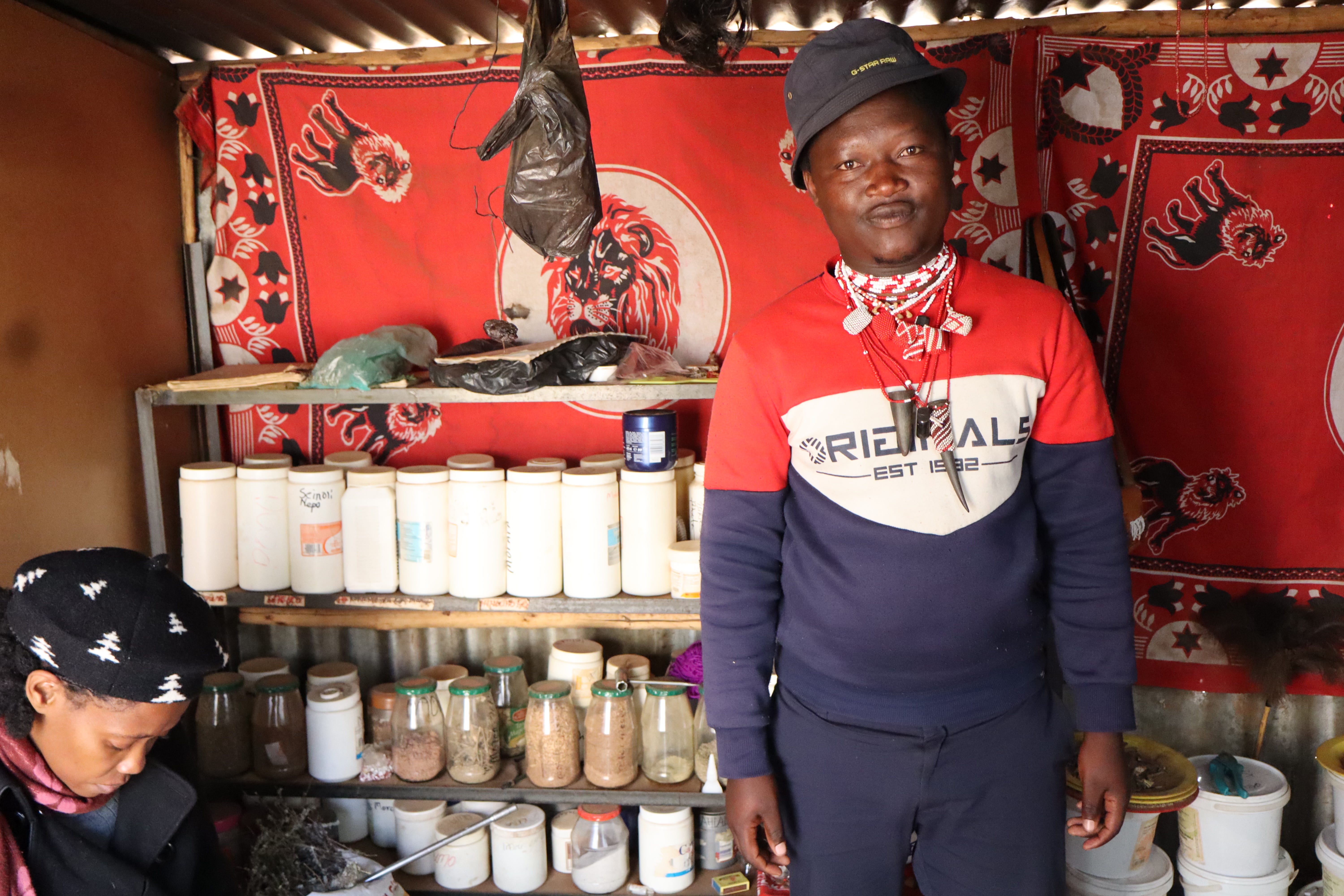
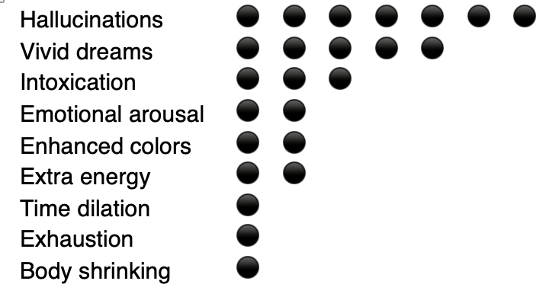
One healer also mentioned having patients consume the mushroom as a brew or porridge, usually over multiple sessions. During these sessions, patients would stare into a mirror and access their “higher selves” to discover the nature of their ailment. The healer described a feeling of heaviness and overwhelming emotion, followed by eventual relief. Other subjective effects included time dilation, exhaustion, and a sense of one’s body shrinking (Figure 5).
Notably, the mirror ritual described above sounds a lot like the ritual described in the original P. maluti paper, in which patients consume a psychoactive brew comprised of B. disticha — a hallucinogenic bulb — and stare into a mirror, where they receive visions sent from their ancestors.
The original reports from 2024 suggested that healers incorporate P. maluti into this brew. None of our interviewees explicitly reported this use case; however, it is probable that the healer mentioned above mixes in B. disticha as well. The fact that we did not explicitly document further use of P. maluti in this particular ritual does not necessarily mean that the initial report was incorrect. However, it suggests that this psychoactive application of the mushroom is at least rarer than has been suggested, especially in comparison to its use in sethoto as described above.
Recreation
Five subjects mentioned recreational consumption of P. maluti by herd-boys. One healer, who did not include the mushroom in his healing practice, recalled powdering the mushroom into a snuff as an adolescent and consuming it with his peers. Subjective effects included enhanced colors, a boost of energy, and seeing “crystals” erupt out of the ground.
Two other individuals — one healer and one herd boy — similarly mentioned people consuming the mushroom as a snuff. A non-healer also said that, during her youth, she and other girls would prepare the mushrooms as a powder and roll the powder into cigarettes, which they then provided to herd-boys. The herd-boys would smoke the mushroom cigarettes. However, she never observed any intoxicating effects; psilocybin would be unlikely to maintain any psychoactive effects at the temperatures found in a burning cigarette.
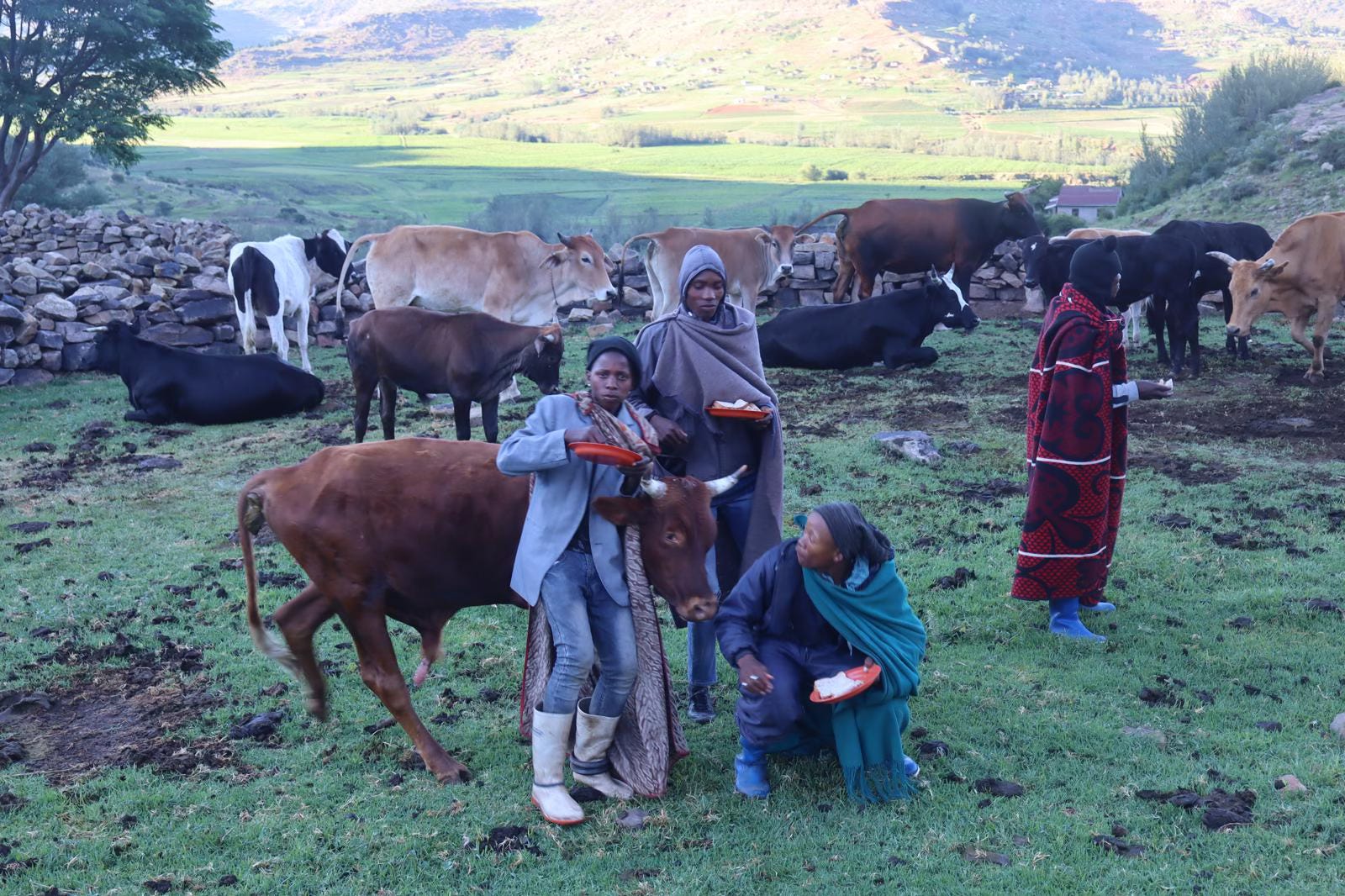
Interestingly, several other herd-boys recognized the mushroom but were unfamiliar with its effects. Others claimed to not recognize the mushroom at all. We suspect that recreational use may be more common than these negative reports would suggest, perhaps due to stigma around recreational consumption: one healer said the mushrooms were “like a drug” and “should be used carefully.”
In one suggestive case, a herd boy recognized the mushroom and, without prompting, claimed that another individual regularly snuffed a powder made from them. However, upon being interviewed, the mentioned individual claimed that he had neither used nor heard of anyone using the mushrooms for anything.
Magical Protection
Alongside physical application and consumption of P. maluti, five subjects mentioned using the mushroom as a protective charm. Applications included applying the mushroom to wounds in a powdered form, in an unprocessed form as a protective charm, or bathing with it. Uses included protection or the removal of curses and charms, particularly those that take the form of lightning. This latter belief may stem from the common folk belief that mushrooms are likely to sprout where lightning has struck.
The past and the present and the future
Basotho people know about the mushrooms and they use them for many different purposes. Their use of P. maluti constitutes the first clear evidence of classical psychedelic use outside the Americas.
One obvious question is how long this has been going on. Did they start using psilocybin in the 90s? If so, the case study becomes much less interesting. Or have they been using psilocybin for three thousand years?
We can’t know for sure. Speculatively, though, here are some reasons to think that their use of psilocybin did not start with psychedelic tourism or colonial influence.
First, P. maluti looks nothing like P. cubensis, the common strain of Psilocybe mushroom grown and consumed in the West. Even if tourists had brought P. cubensis to the Lesotho highlands, it is unlikely that its proliferation among local peoples would have led to recreational, spiritual, and medicinal interest in P. maluti given their visual dissimilarity. Furthermore, there is no evidence of P. cubensis growing or being cultivated in the Lesotho highlands for personal or local consumption, nor is there any apparent awareness among healers of psychoactive mushrooms other than P. maluti.
Second, interviews with and references to usage by older individuals suggest that some reported use cases of P. maluti nearly or entirely predate Wasson’s 1957 article in LIFE, which spurred the so-called “golden age of psychedelics.” Two unrelated individuals — both of whom we estimate to be in their mid-to-late 60s — reported participating in or witnessing recreational use during their adolescence. This would place their reports around the 1970s. One healer also stated that he learned about the mushrooms from his grandmother, who, according to his recollections, was initiated with P. maluti around 1955.
Finally, many ethnobotanists believe that southern African groups have consumed psychoactive substances for centuries, if not millennia. Particularly strong evidence stems from ethnographic and archaeological investigations of Boophone disticha use among Khoisan peoples. So it is at least possible that psychoactive fungi also formed part of this pre-colonial repertoire for groups, like the Basotho, that interacted regularly with the (probably) hallucinogen-using Khoisan.
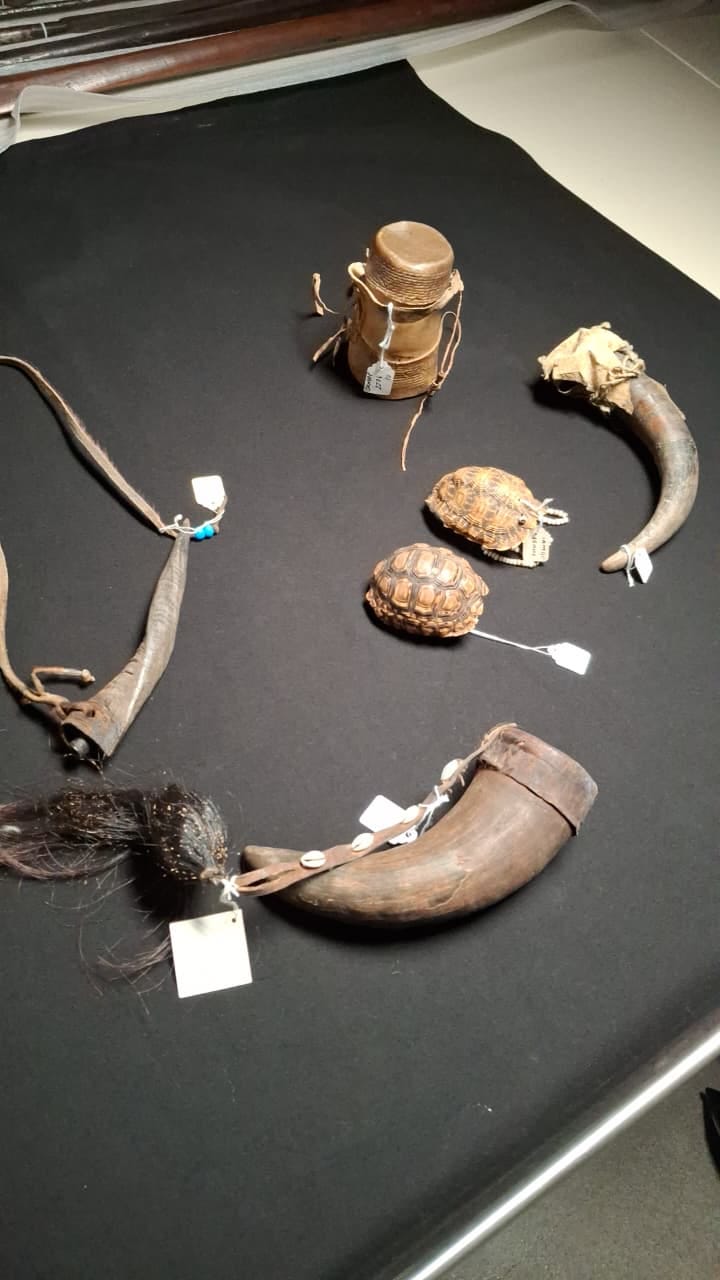
Ultimately, only archaeometric methods can definitively tell us if the Basotho have been using psilocybin for many generations — we’d need to analyze residues from an animal horn, snuff box, or some other artifact and find traces of P. maluti. My friend Breyten and I are working on that. Until we find something cool, speculation will have to suffice.
With that out of the way — what does all this mean for anthropology, cognitive science, and psychedelic medicine?
To date, our academic understanding of traditional psychedelic use has been informed almost entirely by observations of Indigenous American groups. Research on peyote use among the Huichol, virola snuffs among the Yanomami, ayahuasca-like brews among the Desana, and psilocybin mushroom consumption among the Mazatec and historical Mesoamerican groups, among other cases, has suggested common tendencies in Indigenous psychedelic use. These include:
large ritualized doses;
administration in structured ceremonial contexts by individuals with special training;
a central cultural role for the psychedelic substance.
Researchers and popularizers alike tend to emphasize the use of these substances for healing, divination, and other spiritual activities. Ethnographic observations in the Americas also suggest that it was historically rare for patients to consume psychedelics. Instead, ritual specialists generally took substances on behalf of clients, usually for the purpose of spiritual services or diagnosis.
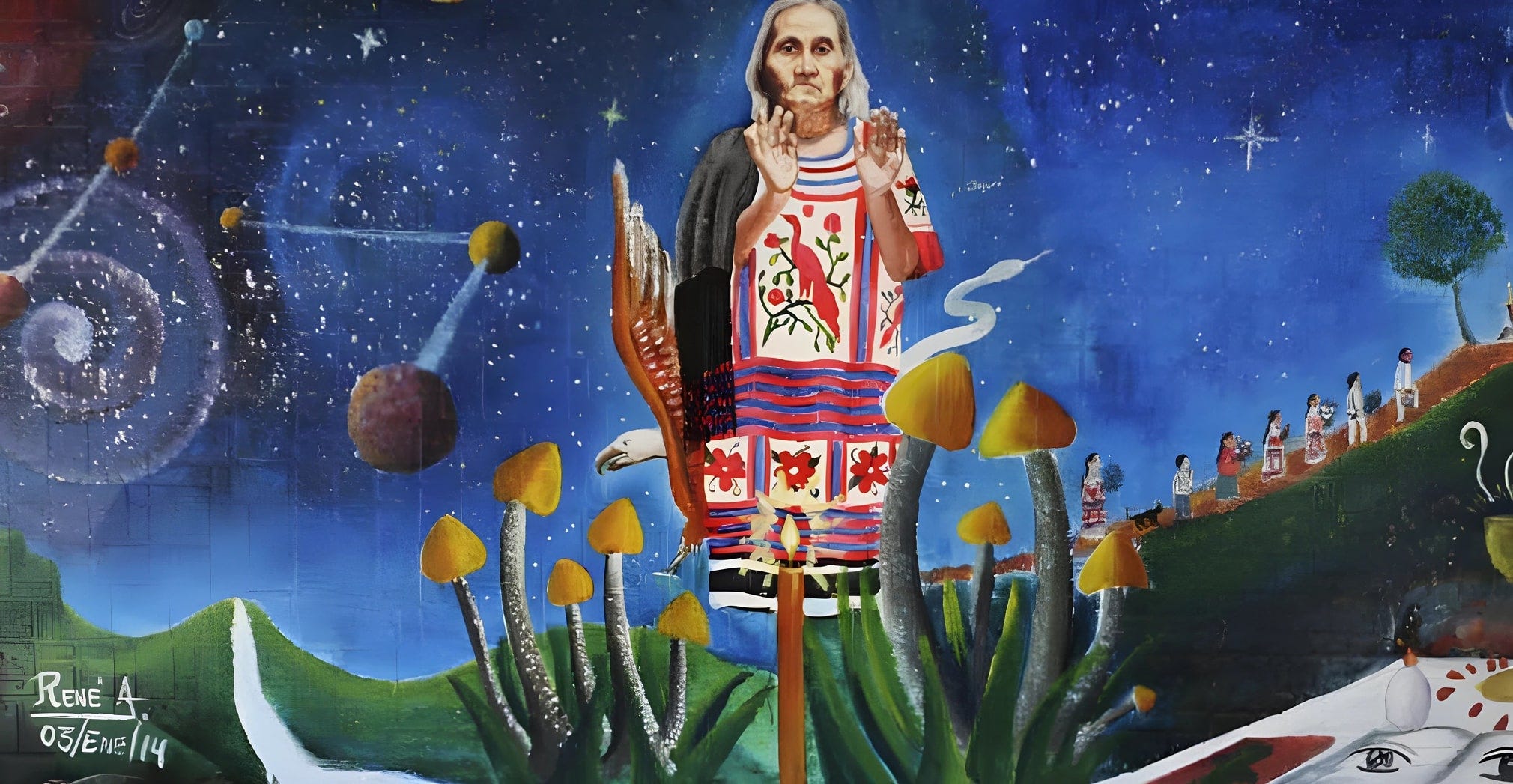
The uses we documented among the Basotho diverge from these broad patterns. We found no reliable evidence of the consumption of large doses of P. maluti. Uses were diverse, including not only spiritual healing but also recreation and magic. The Basotho also do not seem to afford P. maluti greater significance or centrality than other plants or mushrooms, instead treating them as one spiritual and medical tool among many others in their herbalist toolkit. We also found considerable evidence that patients themselves consume the mushrooms.
These uses of psilocybin indicate that the varieties of psychedelic use likely extend well beyond prevailing models — to paraphrase Aldous Huxley, the model we’ve observed so far is not the only one there is!
Basotho use also suggests some interesting routes for psychedelic medicine. Healers usually apply P. maluti alongside other psychoactive plants for both initiation and healing purposes. Are there notable stacking effects from combining these substances together? Maybe, maybe not. These recipes at least indicate that looking at how psilocybin interacts with alkaloids from these other plants might be productive.
Another big question is how and why psilocybin seems to affect non-waking states during initiation. Most research on psychedelics and consciousness has tended to focus on how substances alter waking states of consciousness, but several Basotho respondents emphasized the effects of psychoactive brews on dreams. I suspect that a research program on psychedelic oneirogens — psychedelic substances that alter the structure of sleep and dreams — would lead to some interesting results!
Above all, it now looks like some cases of Indigenous psychedelic use outside the Americas have been overlooked. Psilocybin mushrooms grow on six out of the seven continent. New species are discovered every year. The fact that it’s taken this long to find another society that uses them means that they probably aren’t used that much.
But it’s plausible — as evidenced by the Basotho — that some such uses may not have been investigated or recorded. I hope that this work inspires more exploratory fieldwork in understudied regions of the world: as cultural diversity continues to vanish over the coming decades, it’ll be crucial to identify and document these psychedelic practices before they disappear forever.
Godspeed
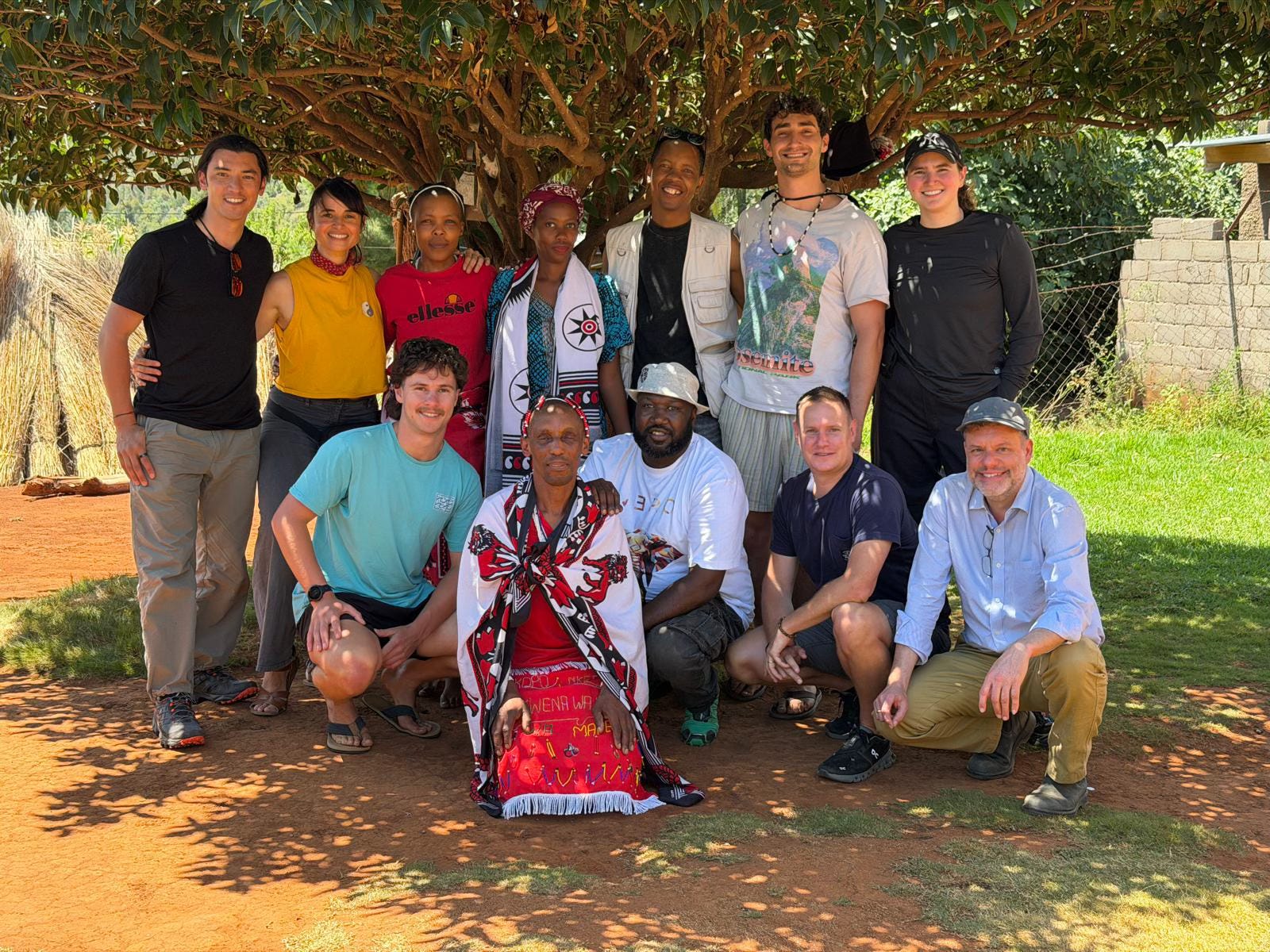
I could spend another essay thanking the people and institutions who helped make this research happen. Without Betsy Sethathi, in particular, the project would have been impossible to carry out; without Breyten van Der Merwe, it never would have begun, nor would have the many exciting projects we’ve initiated since. I am proud of this study, but I am even more grateful to now call them both collaborators and friends.
But thank-yous make for poor reading. I want to end with what can be, I hope, a note of inspiration for other budding scientists.
I will not feign total humility — I know that this study is very big news for the psychedelic world. Many central figures in that world have told me as much. How did I, in particular, get lucky enough to lead it?
Thinking back on the process, I don’t think it was a matter of intelligence: the interview process was straightforward and focused on questions that anyone would think to ask, and anyone could have seen that the answers to those questions could potentially be super interesting. I also don’t think it had much to do with charisma: my interviewees were almost always friendly and open to speaking with me, especially given my collaboration with Betsy. I think that any other sufficiently smart and personable anthropologist could have achieved the same results if they were dropped into the same project.
If there was something to this particular success other than chance, I think it was the following: over the last three years, both before and during my PhD, I have been fortunate to work with two mentors who urge me to always work on the most important thing that I possibly can. You get one chance to make an impact on the world; it would be foolish to spend that chance on trivial questions. So when Manvir sent me that paper about psilocybin in Lesotho, I did not hesitate. I ate the cost of my flights to Colombia and purchased flights to Maseru instead.
Increasingly, I think this mindset — more than intelligence, charisma, or any other seemingly important trait — is by far the most important contributor to impact in any domain. It is now cliche to say you can just do things. But it’s true! You can just do things! And if you always aim for the most important things, and then do them, you might find yourself in some interesting places.
The world is not settled. Everything is left to be known. I’ll close with some words from Luke Glowacki, a mentor and friend, who wrote the following in a card when I started my PhD.
We are explorers dreaming of what Magellan saw as he rounded the corner of those straits into the unknown where nothing had been charted. My advice to a young explorer — pick the most significant questions that match your ambitions. Don’t be afraid to swing as hard as you can. You may need to create methods to do so. Work to the bone — no substitute for this. And pick close colleagues and collaborators who inspire you.
Godspeed.
I later emailed Paul about that claim, and he generously apologized and admitted that he may have misspoke.