
To the Stone-Cutters
Notes from the Field #2

For man will be blotted out, the blithe earth die, the brave sun
Die blind and blacken to the heart:
Yet stones have stood for a thousand years, and pained thoughts found
The honey of peace in old poems.
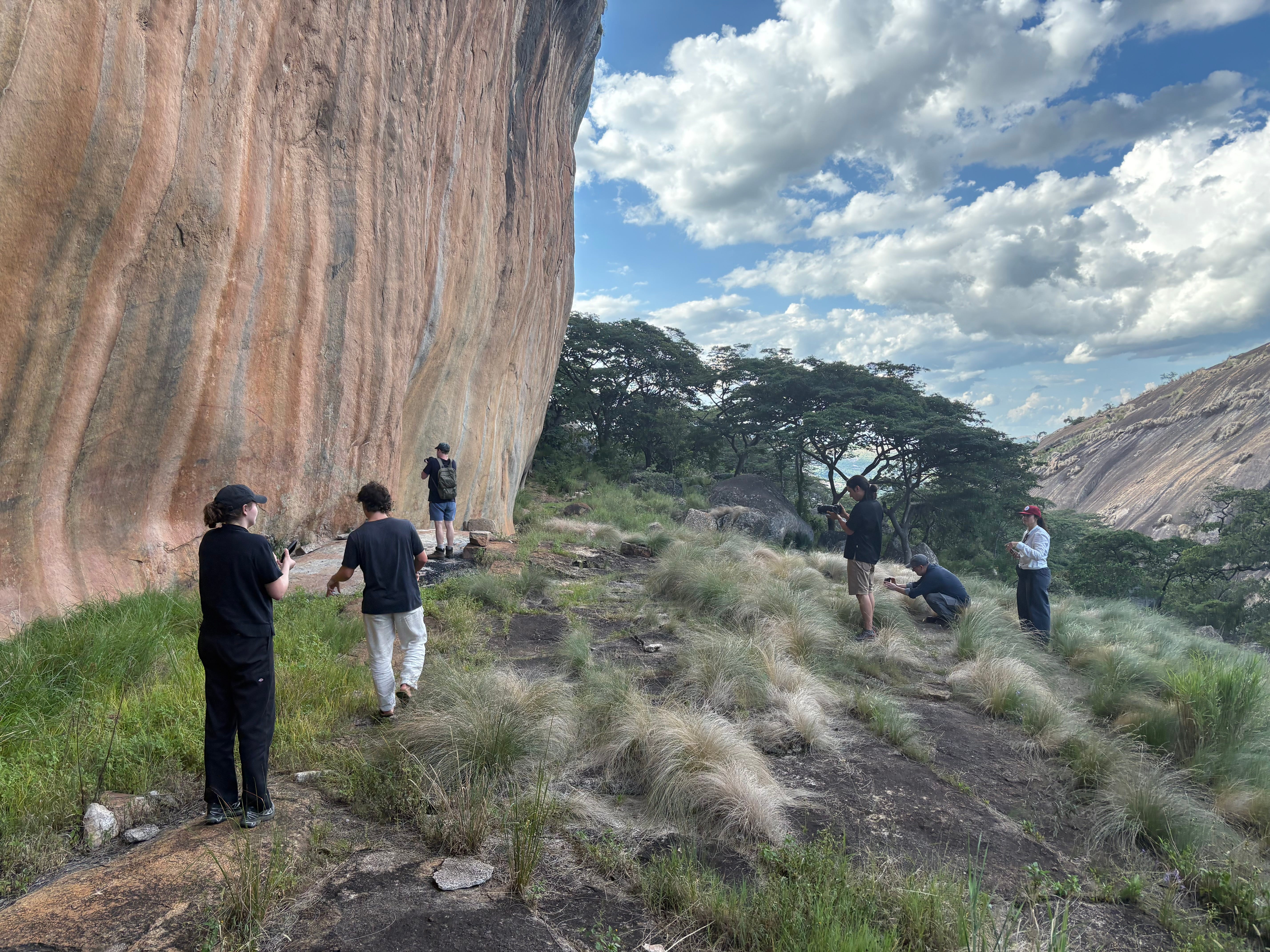
Breyten and I waited beneath a water tank at the base of the mountain. Our film crew — we were, somehow, being filmed for a documentary about psychedelic use around the world, in this case Zimbabwe — had gone ahead to scout a rock art site called N’gomakurira, guided by a quiet but vastly knowledgeable archaeologist named Stephen.
Whether the site was sufficiently filmable remained to be seen. But its potential value and power was well-known to the locals: nearby, the owners of the land on which the site rested were whispering about how to maximize their profits from our obvious interest in the paintings.
“Oy!” We looked up. Our fixer, Dan, was holding up his phone and gesturing toward the mountain. “They’ve said to meet them. Just follow the white arrows.”
We tossed our bags in the car and headed up the steep trail, passing on the way under two skittish baboons that had scurried into a tree. Breyten, ever the sub-three-hour marathoner, practically sprinted up the hill, stopping only to scan for white arrows. I lagged behind and wondered if this path had been even slightly difficult for the San foragers who had inadvertently led me onto it.
Small gray mushrooms peeked over the adjacent foliage. Occasionally, pieces of elephant dung greeted us on the switchbacks, though their progenitors were nowhere to be seen.
Eventually, I caught up to Breyten at the top of the ridge. We had overshot the trail. After doubling back, we found a series of white arrows leading into a massive ravine, winding and jagged, the seeming remnants of some leviathan carving a trail through the earth.
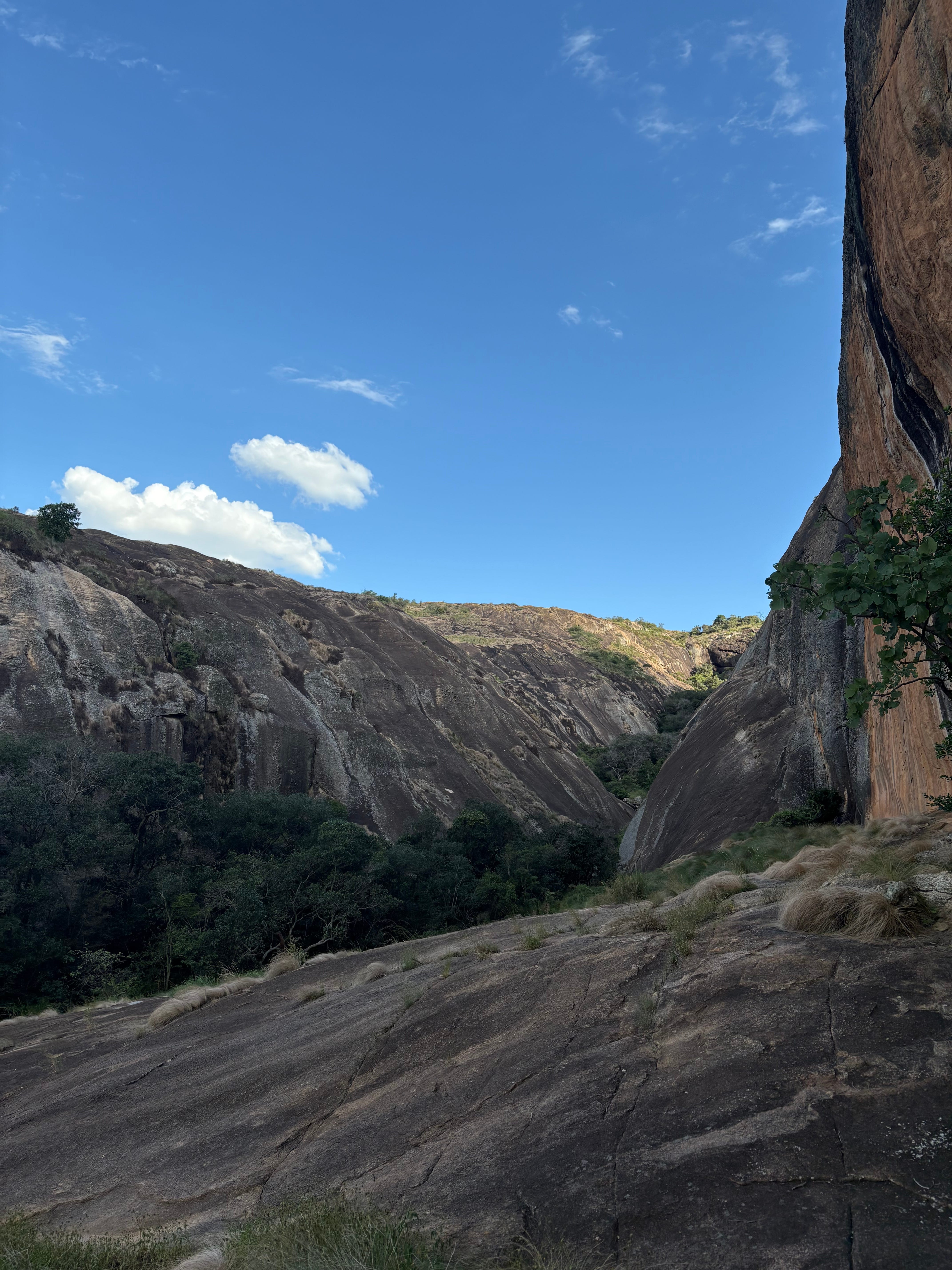
In many cultures, people tell stories about a race of giants that preceded our own — monster slayers, figures closer to gods than men, gazing amusedly from the abyss of the past at our present puny doings. Places like this one help you understand why such stories felt like sensible explanations.
Following the arrows, we soon lost the way again. Breyten went looking further down the ravine for the crew, and I followed a slight creek trickling in the other direction.
“Eli, hey! I found them!” He had made the right bet. I clambered through the bushes and over the boulders and discovered Breyten staring wide-eyed at the towering blood orange walls of the canyon, accompanied by our producer, who held one finger over her lips and said in a near-frantic whisper: “It’s incredible, just so stunning, we don’t have the cameras but we wanted to make sure you saw it.”
A few dozen meters away, the crew was holding what little filming equipment they’d brought next to a section of the wall. I joined Breyten and stared into the granite.
There is a certain expression of joy, which most are only fortunate enough to wear once or twice in their life: wherein a smile expands to contain all eternity, draws inevitably toward its limit and, seeing no further path forward, spreads its burgeoning roots into one’s eyes and ears and forehead and chest and knees, the only plausible reaction to something that viscerally transcends the boundaries of parsible emotion.
Seeing the figures laid out on the wall, I was buckled by that desperate grin. Ten thousand years ago, someone had stood where I stood and left a message in the stone. And here I was, ten thousand years later, confronted with visions of the dead.
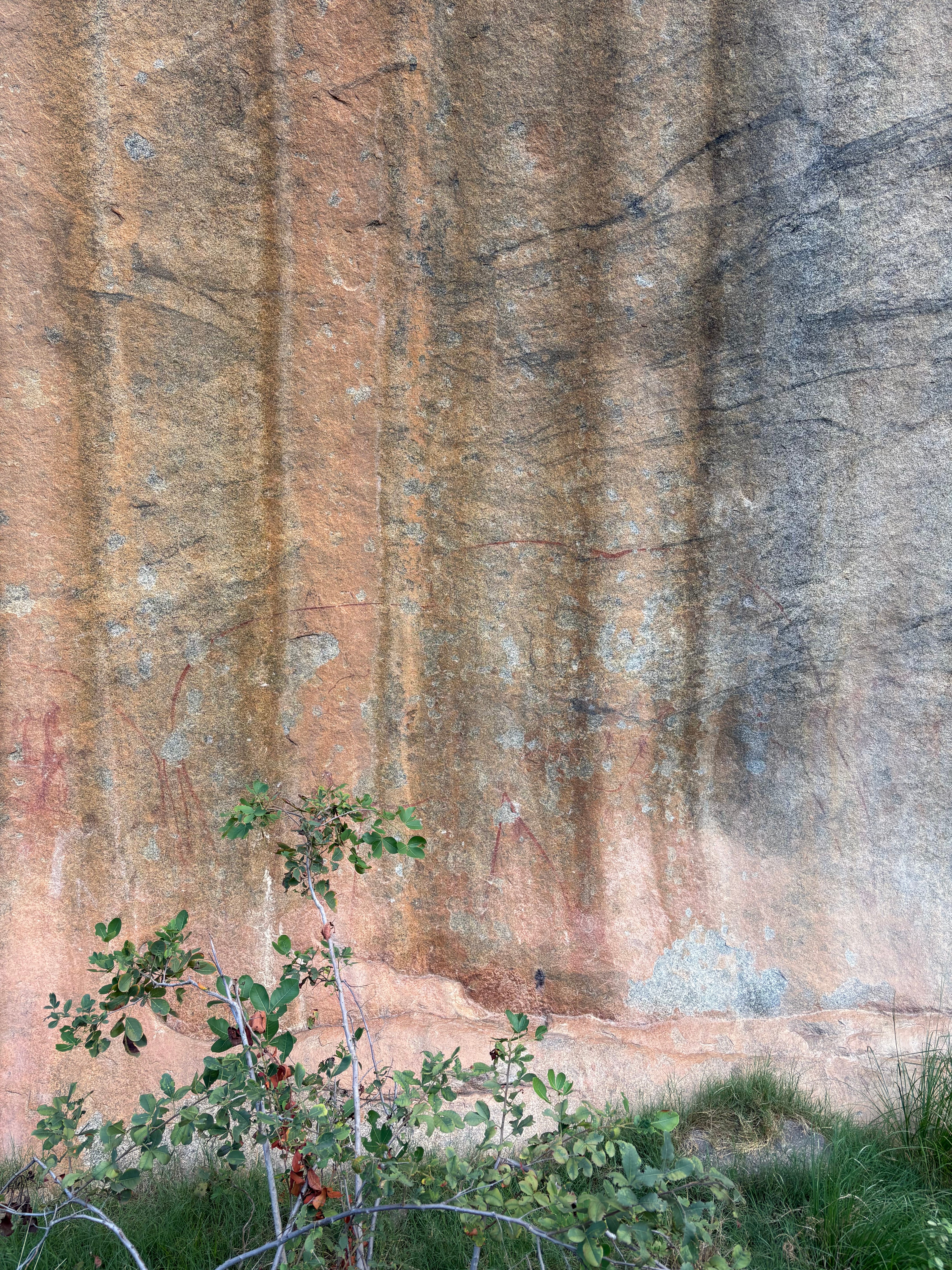
Of course, these thoughts were at first only implicit. The paintings stretched on and on, and the only reasonable course of action was to see as much as I could. I walked carefully along the walls, attempting to tiptoe for no real reason at all.
In single-file, the first painters had left massive outlines of elephants. Within those outlines, later artists — one can tell, based on the slightly newer coats of ochre — designated that elephant herd as the base of a palimpsest and drew zebras, rhinos, kudu, even an aardvark. A man leveled his reddened spear; nearby, a woman drove into the stone void with her digging stick. Two figures wrestled next to a giant, whose stomach ballooned with the spiritual potency called n/um, a so-called boiling energy that rose among San shamans from their stomach into their neck before exploding through their head, catapulting them into a supernatural world of half-animal deities and cruel illness-causing demons.
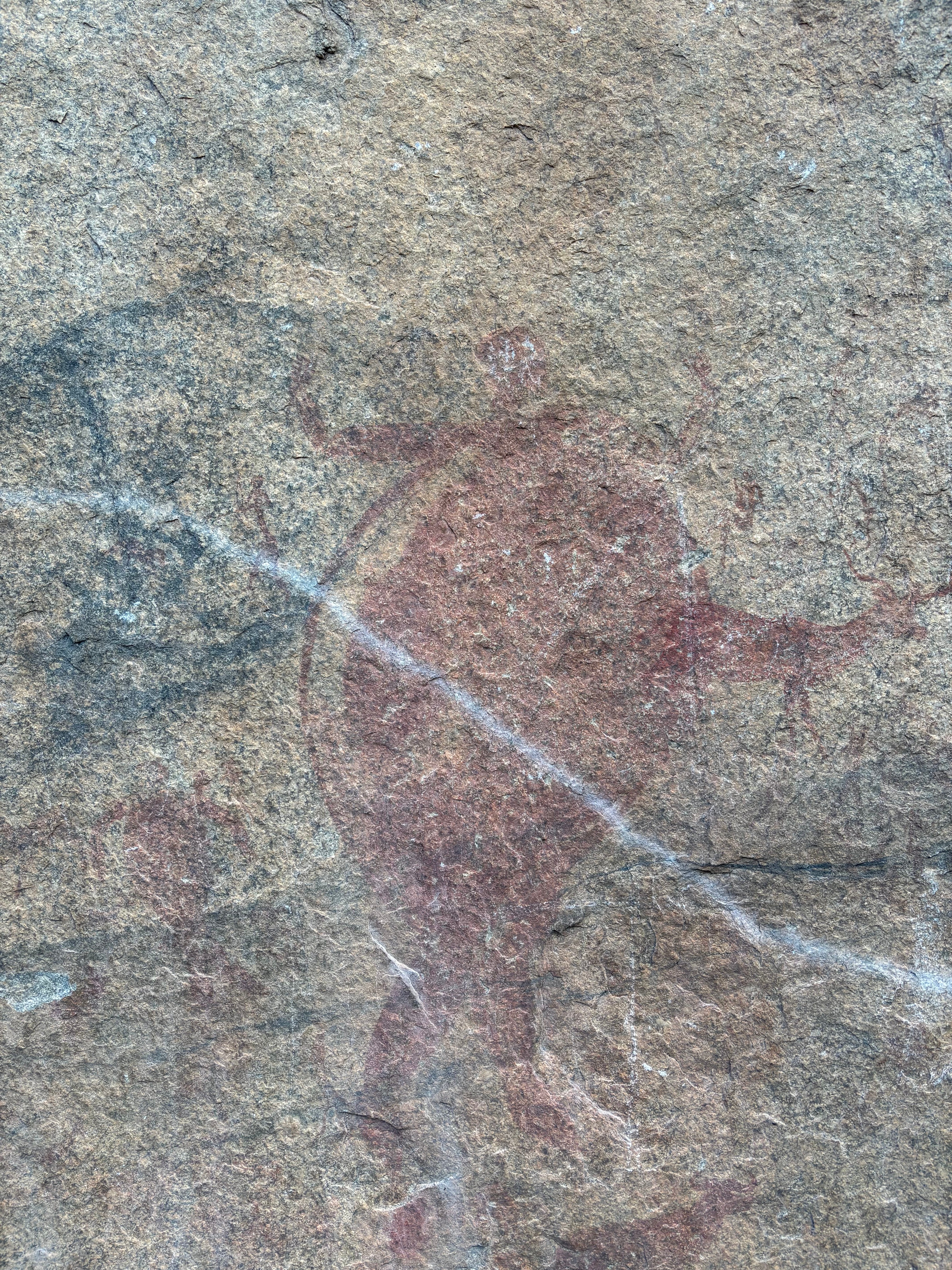
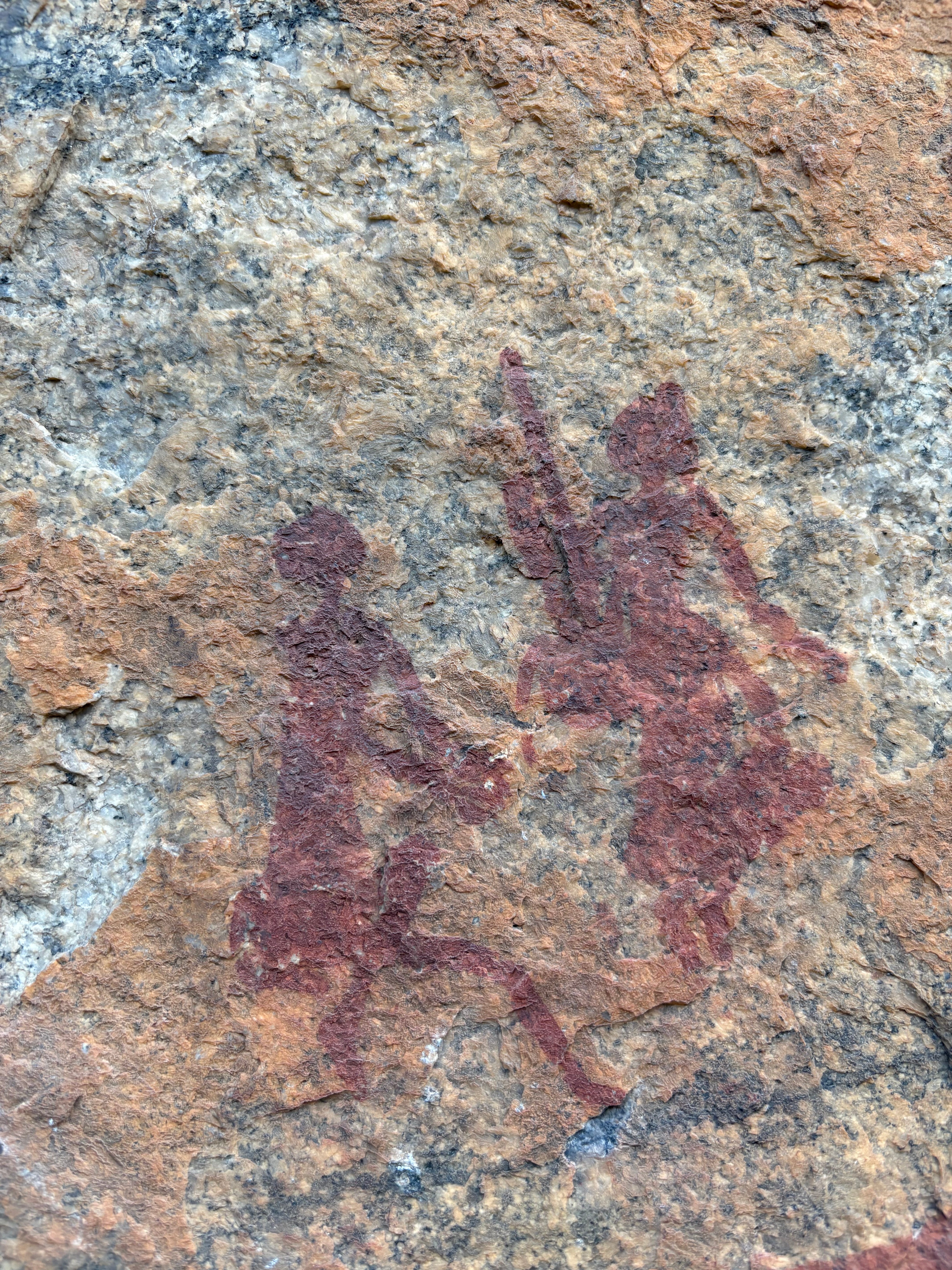
Most striking — for me, at least — was the dance. A man was bent over in the ritual posture of the great dance of the San, spewing blood from his nose and holding either a rattle or a mushroom, depending on the stories you want to tell about the world. Just above him, two women sat and watched, almost conversational in their posture. They would have helped to form the outer ring of the circle, where children and the less spiritually potent adults would chant and clap to guide the healers into trance.
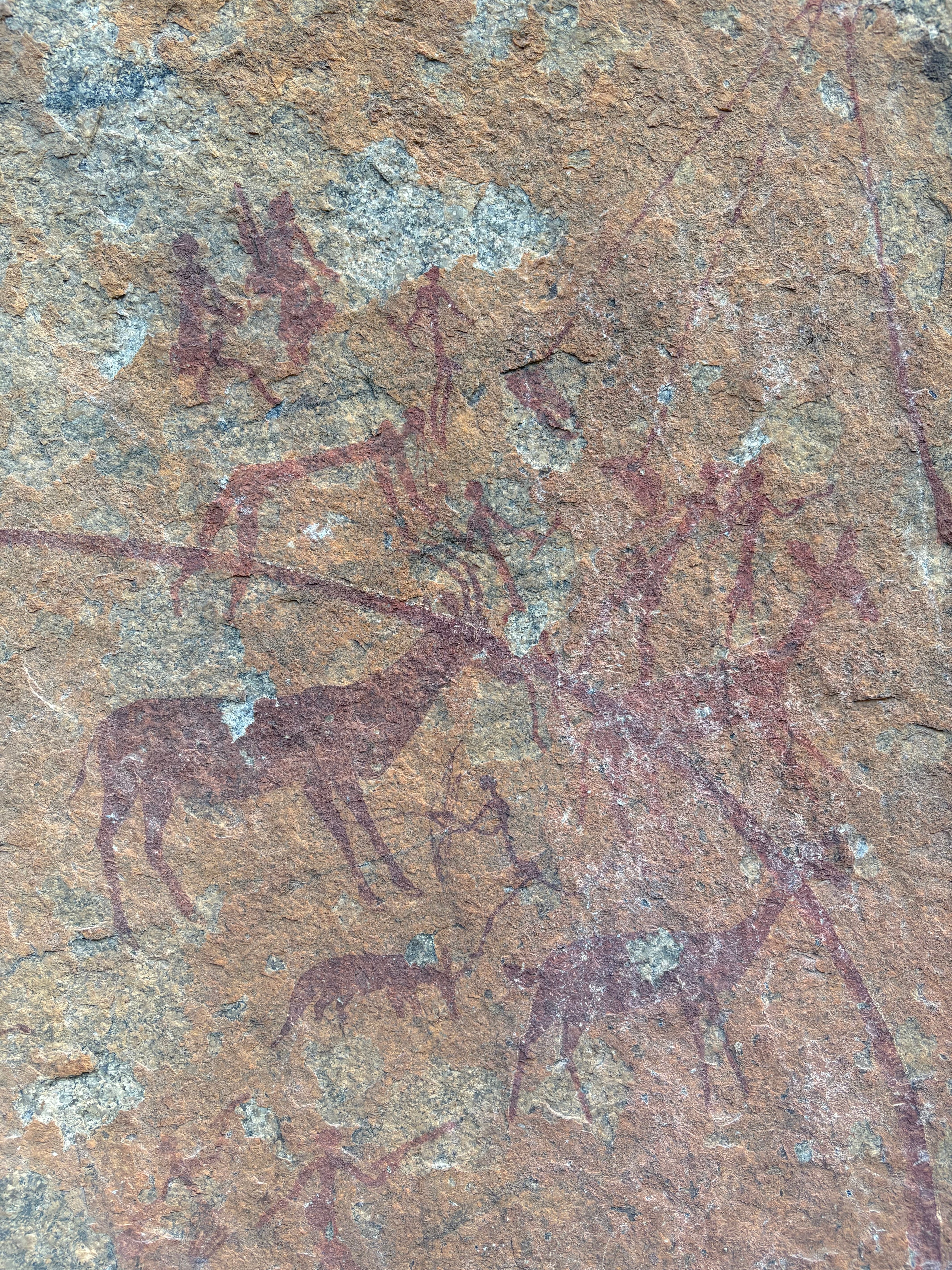
Not far away, a hunter ground a plant into submission; next to him, a collaborator doused arrowheads in the resultant powder. In January, archaeologists reported traces of a toxic plant on San arrowheads dated to 60,000 years ago. This was very possibly a representation of the production process.
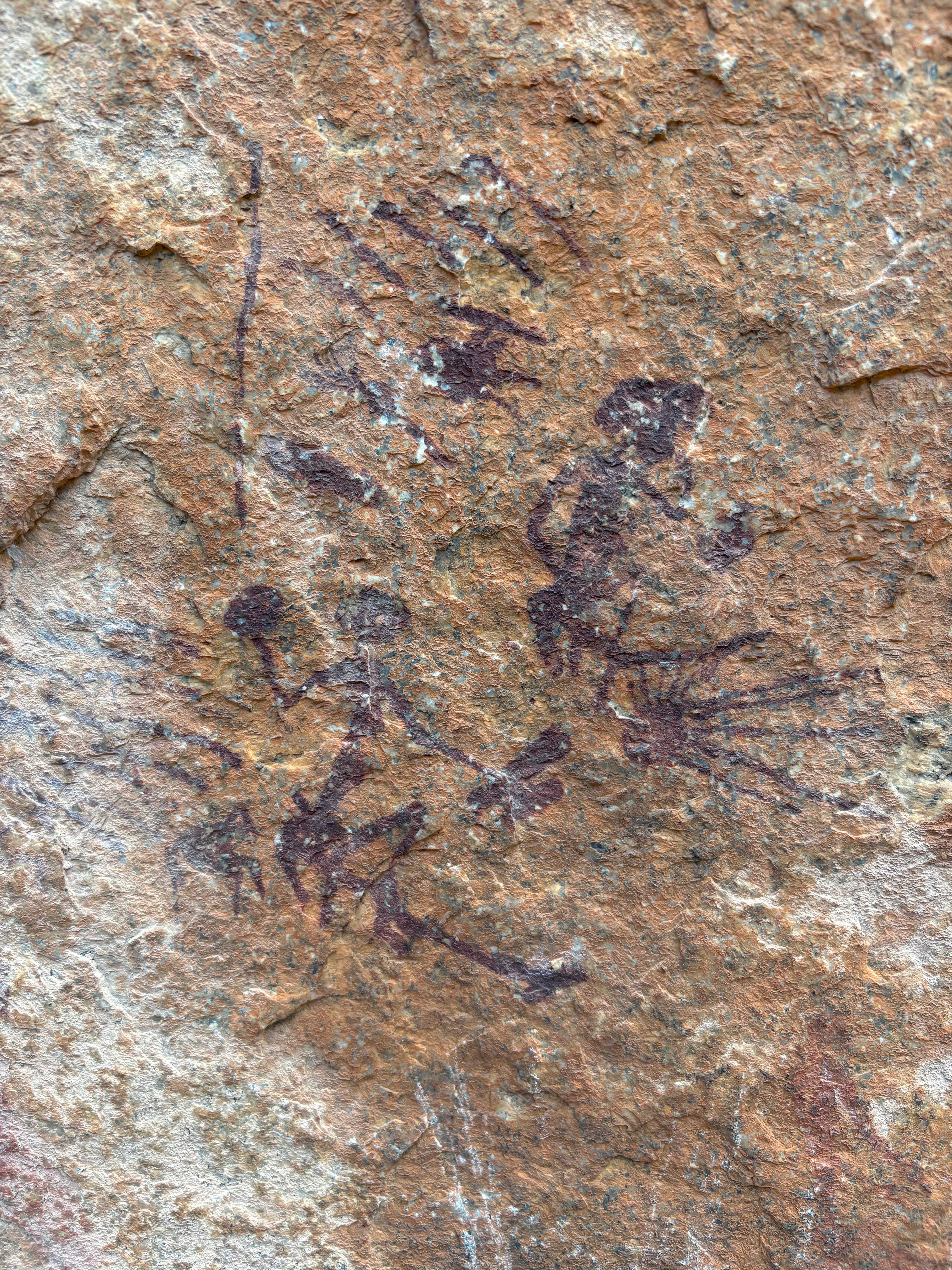
The crew did not really need our help. Breyten, Stephen and I wandered down the ravine, marveling at each new silhouette. For a while, the excitement of discovery carried me away.
But eventually, I’d seen it all. The paintings deteriorated and trailed into mere granite. I doubled back toward the dance and looked more closely at the two sitting women. Among their many artistic merits, the San depicted motion marvelously: I was reminded of drawings Kafka left in his notebooks, a few sheer lines carving high-dimensional motion into empty space, bodily equivalents to Mona Lisa’s ever-roving eyes.
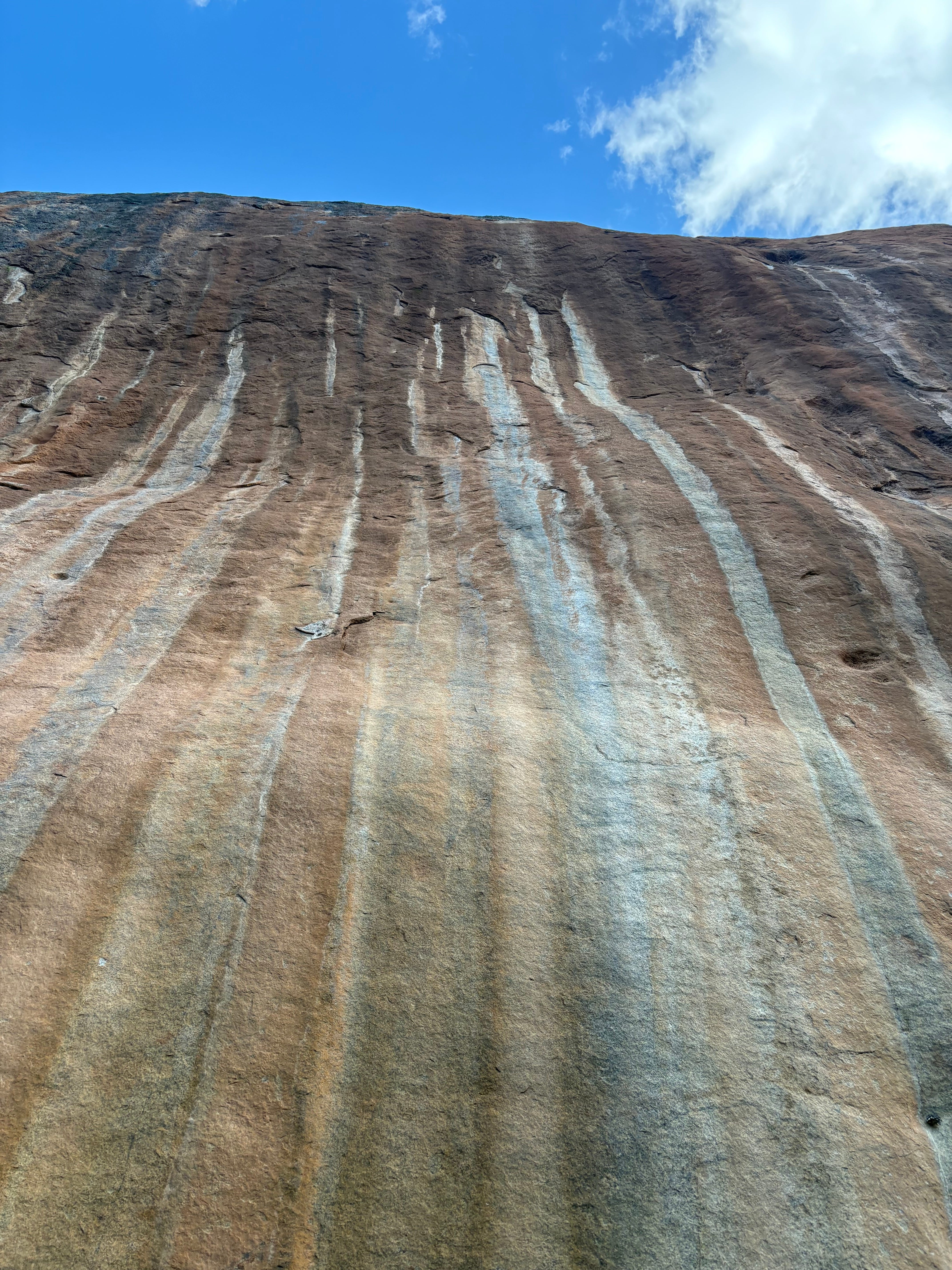
I craned my neck toward the upper edges of the canyon, then turned around and stared across the ravine. My breath seemed to echo into the drought-weary waters; bird cries ricocheted lazily against the walls.
I returned to the women and thought of an image penned by Richard Dawkins. Imagine, he said, your mother holding her grandmother’s hand, and your grandmother holding your great-grandmother’s hand, and your great-grandmother holding your great-great grandmother’s hand, and so on in an endless line. Somewhere, the lines of every living person converge on one woman — mitochondrial Eve, the ultimate mother to us all.
And then the excitement fell away, and I could think only of how much had been lost. Slender artists had roamed this path, declaring in fat and ochre and blood the fact of their existence, perhaps returning every now and then to refine their handiwork. They had died, eventually, buried in caves or killed in battles or occasionally left to hyenas. But their children knew the old ways. They came back and added a rhinoceros, a flower, a portrait of ecstasy.
Then, in a few hundred years, they lost everything. The descendants of the artists now scramble for life in reservations. The remnants of their world gasp for air in the pages of textbooks and ethnographies, the speculations of podcasters, the half-interested shrugs of those who care little for what has been lost and scan the remainders on Instagram.
Here lay the last testaments of the great ones; nothing besides remains; and though this asphyxiation was accelerated by colonial horrors, there is no real counterfactual. The fact is that all would have been lost, in time. Everything always is. Even giants collapse beneath the faceless weight of forever.
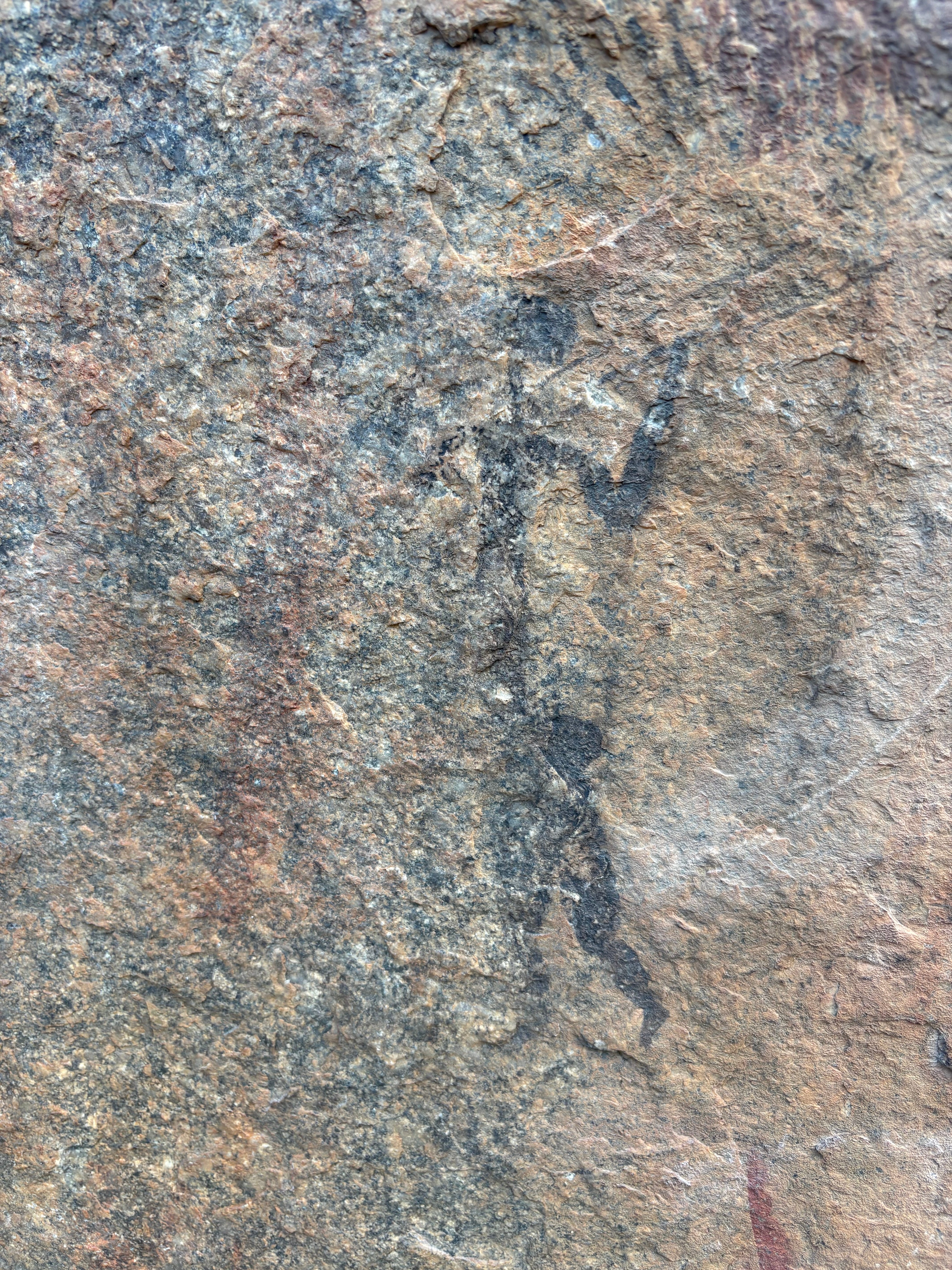
I felt intactile hands on my shoulders. Breath rattled the wind. From the other side of entropy, the women in the walls considered my stare, and they found it wanting. The walls of the ravine drew away from each other, slowly but surely. I saw them crumble beneath a million cuts.
Today, I could hear the painters murmuring across the expanse of time. Tomorrow or tomorrow or tomorrow, some strange beast would stand in my place, long after I too had melted into air, and perhaps look toward where the ghosts, finally laid to rest, had once clung to the edges of the world.
But then again — tomorrow is never today. At that moment, if only that one, a new group of artists in search of something true was paying homage to their forebears. I looked around and saw that the cameras had gone away. Everyone was simply standing, now well beyond words, listening to a language with no name.
“You know,” Stephen said, “we still haven’t figured out how to paint something that will last this long.”
The ultimate truth remained; but the ghosts had not ceased roaming, not yet, and how remarkable that such things as ghosts could live on beyond their time. What a feat these painters had accomplished; how strange it was, several thousand years on, for them to be anything at all.
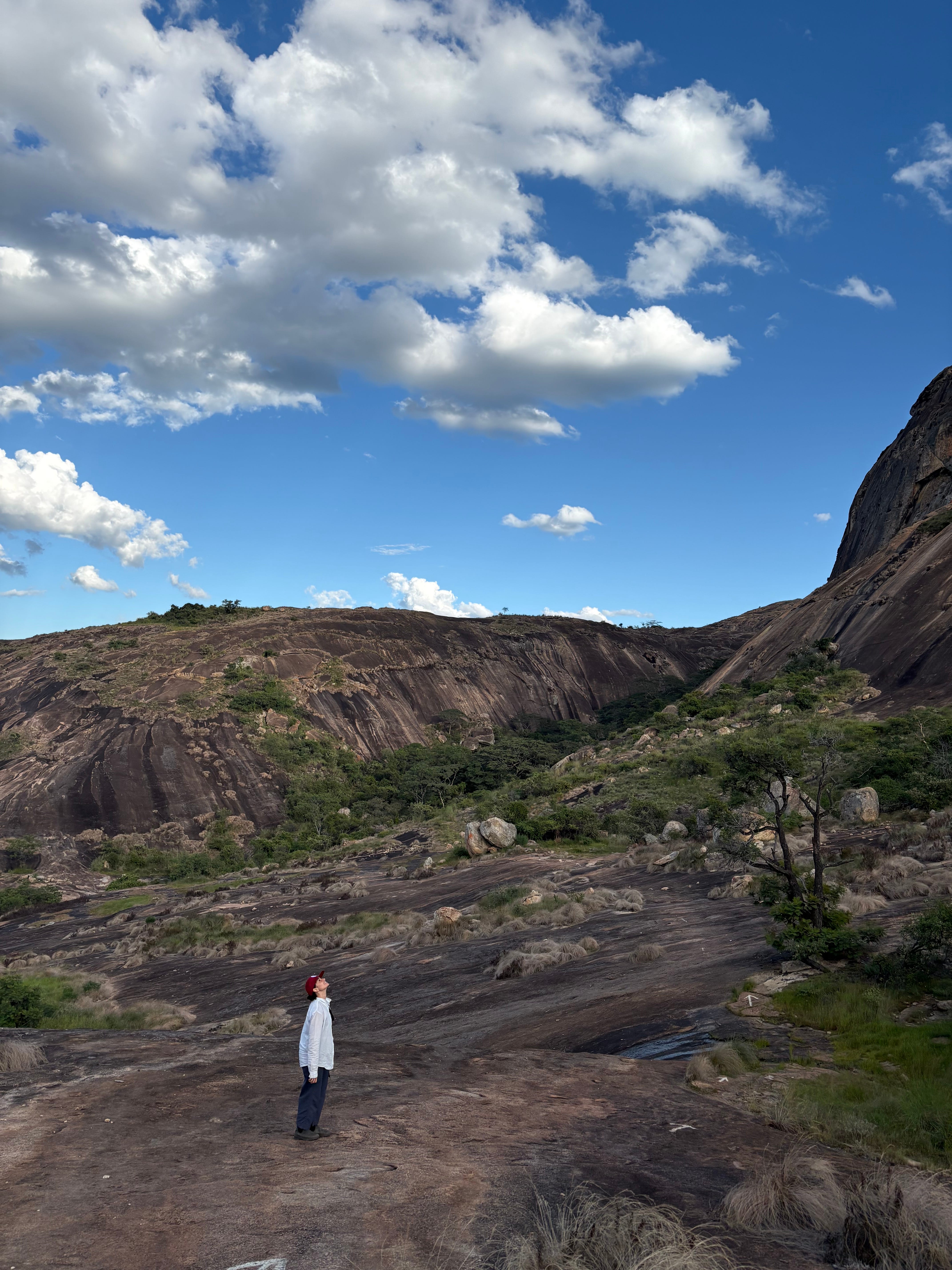
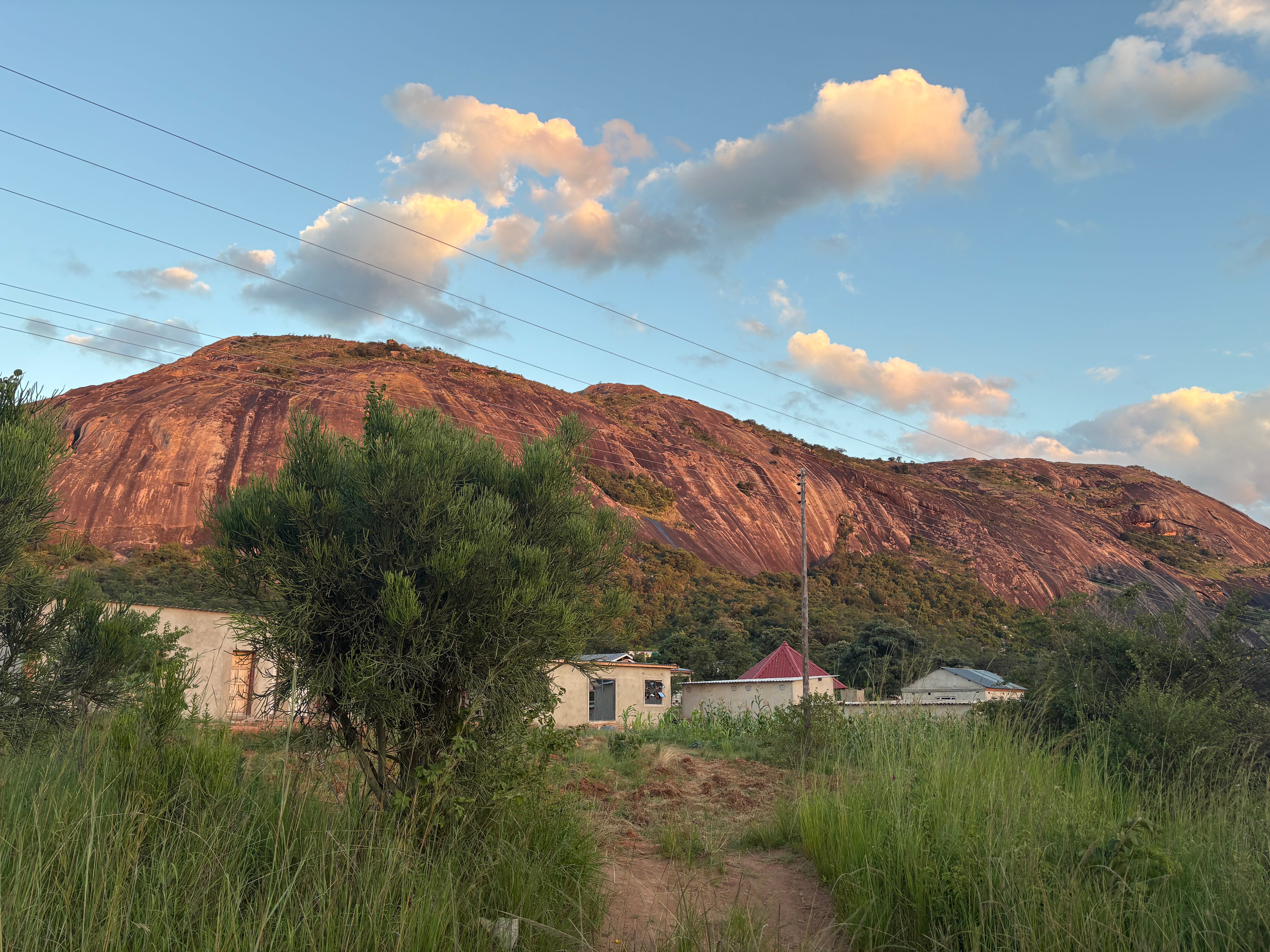
The sun was setting. Our director wanted to collect some footage of the pink light over the mountains. After taking a few more pictures, we went on our way. The white arrows guided us back over the ridge, down the hill, past the baboons and into the parking lot, where two children were waiting with plates of mangoes. They were perfectly ripe.
On the ride home, I considered our usual view of ghosts: tormented things, unhappily chained to life, begging and pleading to sleep. I found it wanting. There is no greater achievement, in the end, than to leave something of yourself behind.
"Here lay the last testaments of the great ones; nothing besides remains" Brilliant!
> There is a certain expression of joy, which most are only fortunate enough to wear once or twice in their life: wherein a smile expands to contain all eternity, draws inevitably toward its limit and, seeing no further path forward, spreads its burgeoning roots into one’s eyes and ears and forehead and chest and knees, the only plausible reaction to something that viscerally transcends the boundaries of parsible emotion.
part of psychedelic experience defo