

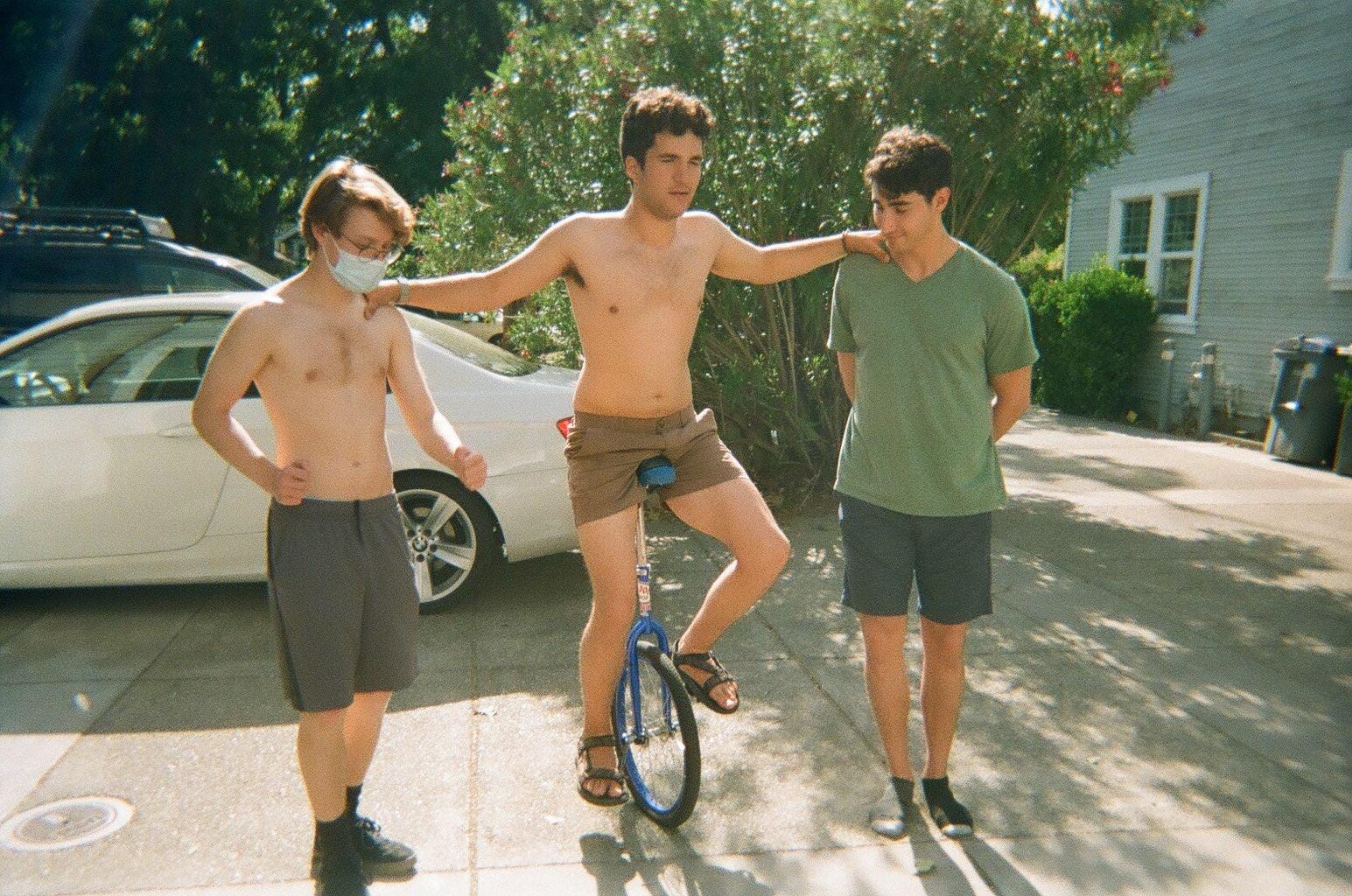
You might have heard that men aren’t doing so hot these days. We (men) can’t stop drinking and overdosing on opioids. We can’t finish college. We can’t stop feeling sad and anxious and alone, and consequently, we can’t stop killing ourselves at a rate four times higher than women. People often refer to this as a “crisis of masculinity.”
The alleged causes are myriad, and some are more obvious than others. Neoliberalism hollowed out the manufacturing industry, wage increases failed to match inflation: and suddenly, we discovered that it was quite difficult to comfortably run a single-income household. The education system stopped discriminating against women and girls: and suddenly, we discovered that boys are severely disadvantaged in our standard schooling model, because their brains develop at a slower pace. Pharmaceutical companies flooded the country with opioids — and suddenly, the male proclivity for addiction became a fatal predisposition.1
But the phrase seems to especially implicate a cultural shift: manhood itself is the problem. We can no longer define a distinct identity toward which men should aspire, and without that cultural schema, half the country has been left reeling.
What was that identity? You know it well: a man is a strong, status-seeking breadwinner who protects and supports his family. For all the sexism and toxicity that underlies it, no one can deny that this set of ideals provided a pretty useful polestar for several generations of men.
But now, at least in liberally-minded circles, it is absolute poison to suggest that this is a good model for masculinity. And that’s totally fine, and probably for the best, if you can offer an alternative that men will find compelling.
Here’s the alternative we’ve been offered: “there are lots of ways to be a man!” For instance, a proposal from Regain:
One way is for every man to determine for themselves what it means to be a man. That is, what it means for them—not what they think it should mean to them or what they think it means for other people. This will help us to define a new masculinity that gives us a model on how to live life while giving us the tools that we need to live that life in a healthy way; without getting in the way of other people living their lives.
Or from a blog post on Astral Codex Ten:
There is no one “right way” to be a man, just as there is no one right way to be a woman.2
In principle, this is true and super duper awesome. People should be able to perform in drag shows, play fantasy football, paint their nails, shotgun beers, go to bisexual orgies and head to the shooting range afterward while still unabashedly identifying as male. Let a thousand flowers bloom.
In practice, though, this is a completely useless model. In fact, it isn’t a model at all. It’s like saying “well, there are lots of great books!” when someone asks you for a reading recommendation. Great, fine. But which book am I supposed to read?
Humans — the kinds of animals that men are, if you hadn’t noticed — are social learners, especially when it comes to developing their sense of identity. So if well-intentioned people can’t provide a script for masculinity, men will go looking elsewhere, much to the delight of the not-so-well-intentioned people who are quite happy to fill the gap. People, for instance, like Andrew Tate.
Every man loves a red pill
Ten billion articles have now dissected the rise of Andrew Tate and his army of clones; I won’t revisit it here, but I’ll link to a good summary in the footnotes3. For illustration, here are a few examples of the wisdom Tate so generously shares with the world:
Focus on making yourself feel excited, powerful. Imagine yourself destroying your goals with your ease.
Okay, I mean — not the worst advice I’ve ever heard. Really cliche, but maybe inspiring for a guy who isn’t feeling very motivated. What else you got, Andrew?
Don’t compete. Dominate.
A little off-putting — but maybe it’s just my snowflake brain throwing up alarm bells at the word “dominate.” Maybe Andrew Tate really IS right about
Women are like cars. You can get a new one whenever you want, but you always want to keep the old one in good condition in case you need it again.
Uhhhhhhh . . . what?!
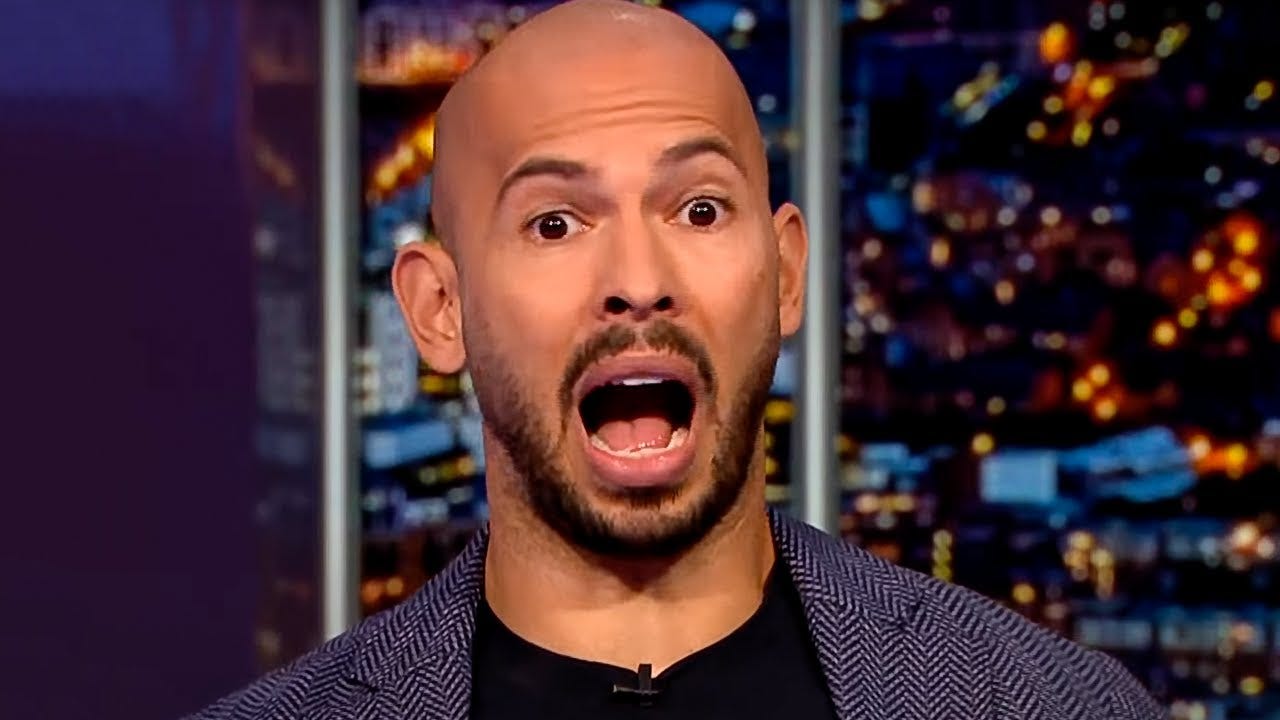
Inspiration porn and casual sexism are the hallmarks of the manosphere. The first always leads naturally to the second. A guru ropes you in with banal advice about how to work harder and achieve your goals, but the advice is structured such that it eventually bleeds neatly into a deeply harmful ideology.
This belief system is despicable. But it works. Men eat this shit up. And if we (the left) want to win back the hearts of those that have been lost to the abyss, we need to understand why and use it to our advantage.
Fortunately, the answer is really simple. The manosphere provides a version of the same model for masculinity that has succeeded in virtually every human society on record. To that end, we shouldn’t be surprised that it has once again won out in the course of cultural evolution. There is nothing new under the sun.
Children of Men
Small note: much of the anthropological discussion below is lifted directly from an article by William Bucker, which is linked here. He’s covered this topic much better than I could hope to do in this post. So, I highly recommend that piece, as well as his Substack, Traditions of Conflict!
Consider this quote from Tate on the essence of masculinity:
To be a man . . . one must impregnate women, protect dependents from danger, and provision kith and kin.
Just kidding. This one isn’t an Andrew Tate quote. This line is from Manhood in the Making, a book written by an anthropologist named David Gilmore. In the book, he surveys the cross-cultural record of masculinity in human societies and finds exactly this: manhood is always understood as a mix of the capacity for virility, strength, and support.
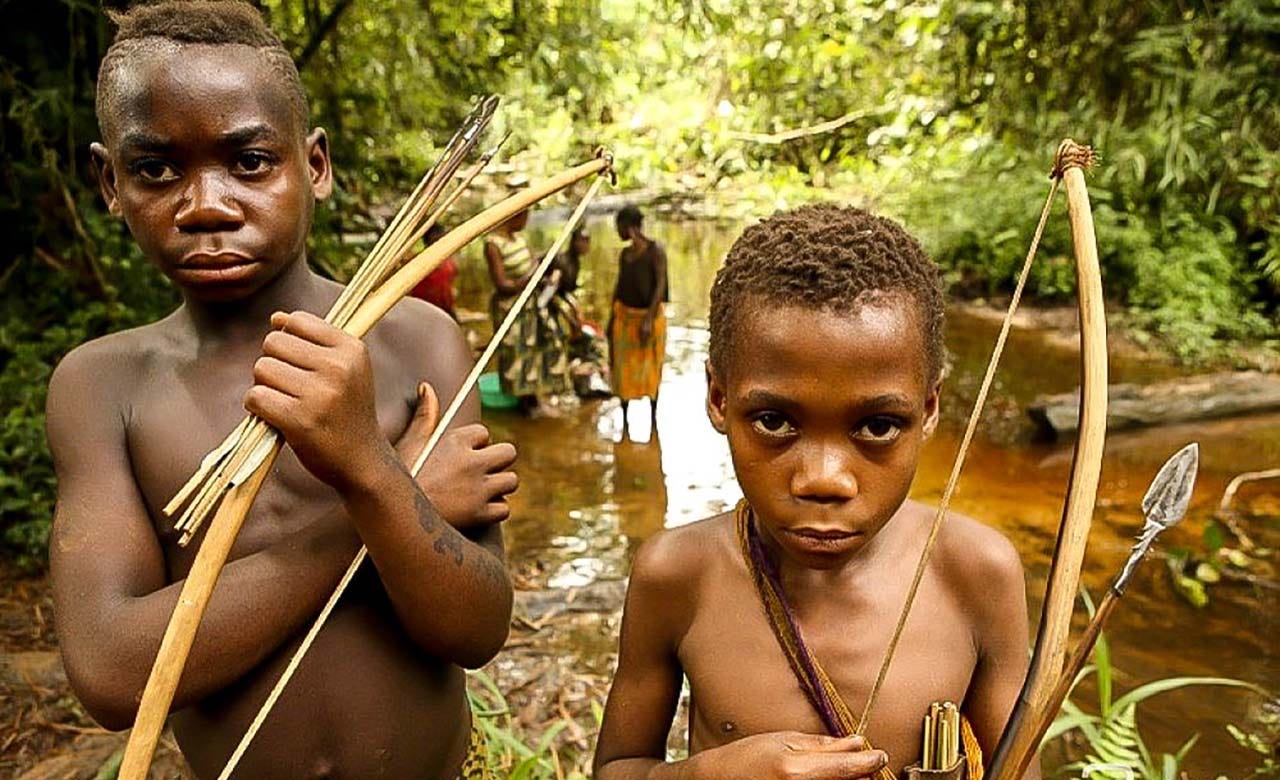
In many small-scale societies, for instance, hunting is often the main path by which men acquire status and become socially recognized as a man.4 Among the !Kung — a hunter-gatherer group in Southern Africa — every boy must complete the “Rite of First Kill” before entering the class of men. As Lorna Marshall writes in Nyae Nyae !Kung Beliefs and Rites:
A boy may not marry until he has killed a big meat animal and had the rite performed. The rite marks the change of state from boyhood to that of hunter, which in !Kung culture is equated with manhood…The principal element in the rite is the scarification of the boy. The purpose of this is to put into the boy’s body, through little cuts in his skin, substances that, in !Kung belief, will make him a successful hunter. The scarifications remain visible on the skin for a lifetime; they show that the man has been “cut with meat.
Presumably, this event matters because it indicates that a boy is capable of provisioning his family: hence why the rite is directly bound up with permission to marry. Manhood, and the sexual access that comes with it, is gained through a display of competence that proves one’s ability to carry out adult affairs.
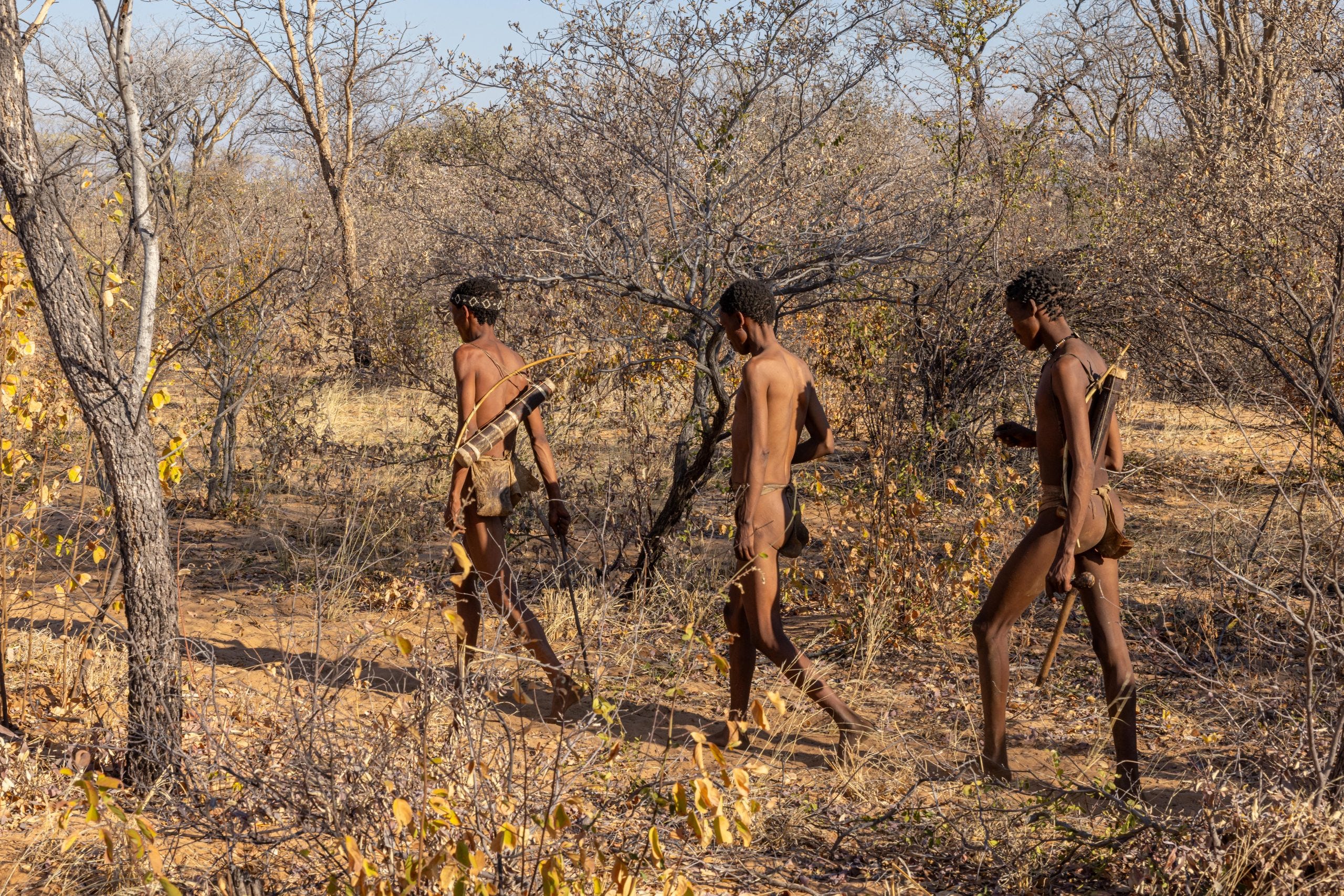
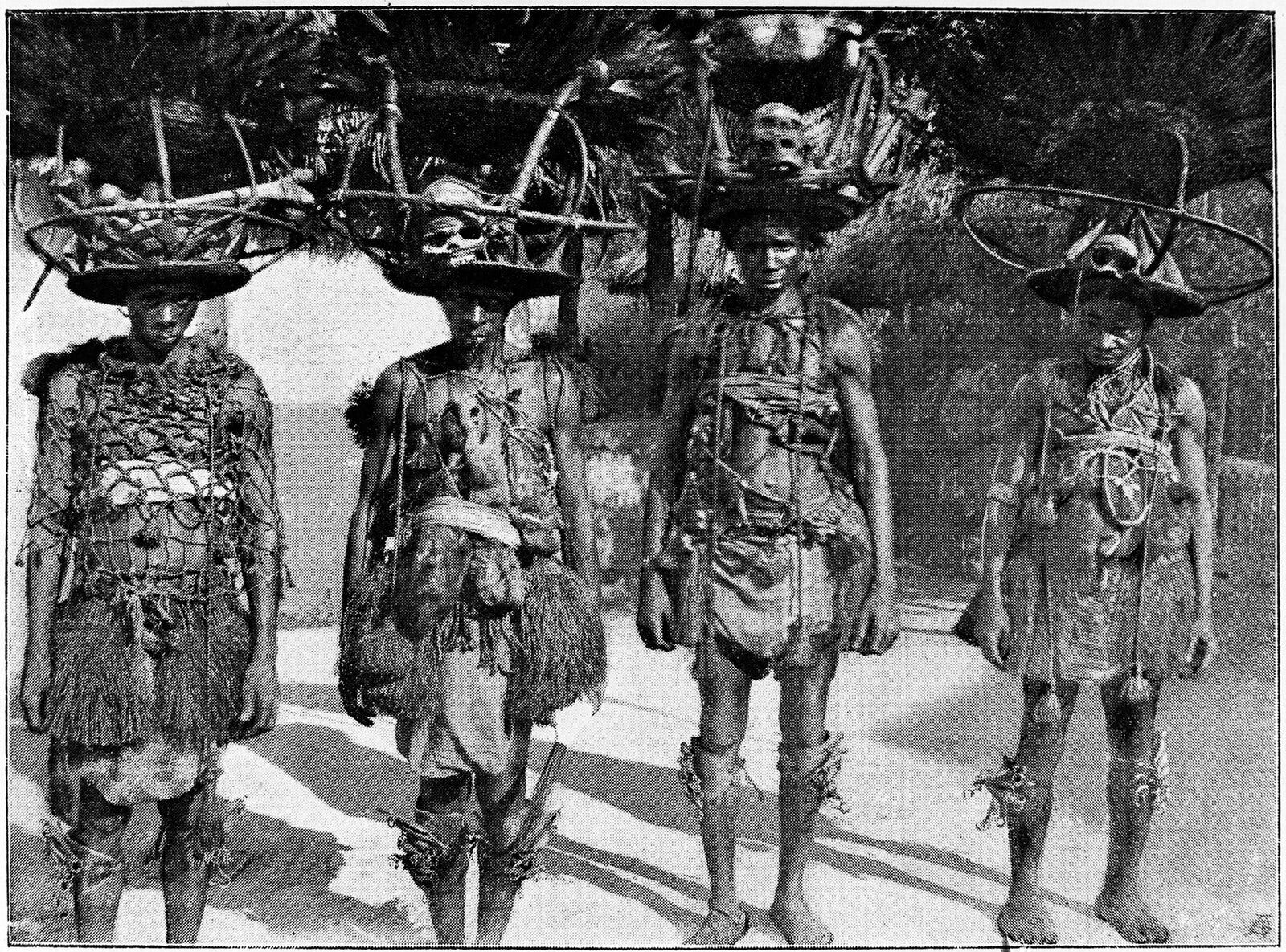
Hunting has often been important, but there are other ways to prove yourself. “Oratory [abilities], shamanic knowledge and combat” are also key domains. Among New Guinea horticulturists, men can gain status through: “ability in mediation and organization; a gift for singing, dancing, wood carving, and/or graphic artistry; the ability to transact pigs and wealth; ritual expertise; and so on.”5
Despite this diversity, though, the underlying values are the same. A man is a man by virtue of his ability to compete against other men, acquire resources, and support his family. These abilities then prove his reproductive potential to women. Within the Turkana, a pastoralist group in Ethiopia, “Young women will sing songs about young men who are successful raiders, and such individuals often receive the benefits of their adulation.” 6
Men must prove these abilities over and over. As Buckner writes in his article:
The world over, there is a sense that manhood is precarious; that it is something that must be earned over time, yet can quickly be taken away.
How do we account for these overwhelming similarities? There are two primary, albeit non-exclusive explanations.
The first is a process called cultural group selection. Imagine two societies: one where men gain status by becoming great warriors, and one where they gain status by weaving beautiful baskets. Lovely as the baskets might be, the first society can easily annihilate the second society, because their cultural norms make them more competitive.
So certain cultural traits will proliferate across different societies, because they help groups survive more effectively than alternatives. Other options could exist. Maybe they’d even be more pleasant than what we observe in the cross-cultural record. But we don’t usually see them, because men who weave baskets get their heads chopped off by men who wield spears.
The second option is old-fashioned natural selection. Within any society, men who seek to develop and display their strength and competence have more reproductive success than those who do not. Consequently, drives toward status-seeking and dominance proliferate with each passing generation. And eventually, they are near-universal features of male psychology.
Crucially, these options can weave together. Cultural group selection could push a society to develop classic norms of masculinity — and as the generations pass, men who can fulfill those norms have more babies, and natural selection plays out as a result.
For this discussion, how these masculine universals have come about is kind of important. If Gilmore’s three tenets of masculinity are innate to the male mind, and not just the product of recurrent cultural evolution, then any successful script for masculinity will have to address them. Otherwise, the script just won’t grok with the evolutionary drives with which men have been saddled.
But for the sake of argument, let’s say that these drives are not innate — they’re mere products of cultural socialization. Does that mean we can just toss out any script we want? No, probably not. Even if nurture beats out nature here, scripts that emphasize virility, competence, and provisioning are clearly still so compelling that they’ll pretty much always beat out alternatives.
For comparison, think about supernatural beliefs in spirits. I find it striking that many cultures identify spirits as their ancestors, rather than future people who haven’t born. You will find zero examples (to my knowledge) of the latter, and hundreds (if not thousands) of the former. That probably isn’t because we’ve evolved to specifically believe in spirits that come from the past. Nonetheless, it would clearly be way harder to convince people of spirits from the future than spirits from the past. To borrow a term from cultural attractor theory: one belief is psychologically sticker than the other.
Maybe models for masculinity are like supernatural beliefs — instead of, say, language, which appears to have shaped the evolution of our brains such that languages must have certain characteristics for a child to naturally learn them. But when it comes to proposing a model, none of that really matters. It is overwhelmingly clear that, for whatever reason, models for masculinity that emphasize certain traits related to strength, dominance, and so forth tend to win out in cultural evolution. You can try to buck the trend, but you’re not going to get far.
In sum, then: there are lots of ways to be a man. But for most men, it appears likely that some ways are much more convincing than others.
So if we want to understand why influencers like Andrew Tate have played so well with unmoored men, we need look no further than this cross-cultural record. His script is not unique. It hits all the same notes that successful scripts for masculinity tend to hit. The fact that he has done so well in the present landscape — devoid as it is of actionable alternatives that are not so virulently awful — should not surprise us at all.7
Three ways to be a better (hu)man
Disconcerting as this claim might seem, it gives us a playbook. Most men will respond to actionable ideals that align with their evolutionary drives. So to create a positive model for men in the modern West, we just have to to hit those notes in such a way that the men who follow them end up as kind, generous, and happy individuals, rather than insufferable misogynists. No need to reinvent the wheel: let’s steal from Andrew Tate.
We can steal more than just the psychological appeal, though. Tate also succeeds because he doesn’t spend time working out an explicit philosophy of manhood. Mostly, he just gives tips. Do X to get jacked. Do Y to have lots of sex. No one wants Hegel on a podcast; they want specific rules for life, and by following them, they end up as particular kinds of men. As it were: “Kneel down, move your lips in prayer, and you will believe.”
Here are three evolutionarily compelling tips that Andrew Tate gives to men:
Lift weights.
Get mad — use your anger to win at all costs.
Provide for your loved ones.
And here are the three evolutionarily compelling tips we’re going to give to men instead:
Lift weights.
Get mad — use your anger to win at all costs.
Provide for your loved ones.
The advice ain’t broke. But we’re going to take these tools in a different direction. To do that, I want to highlight case studies of men in my life who are, to my mind, examples of everything a modern man should be.
Let’s start out on the squat rack:
1. Lift weights.
Lifting weights is awesome. It’s healthy, safe, and really fun. If you lift weights, you will sleep better, feel happier, boost your confidence, and generally develop a body and mind that is much more fun to inhabit.
This is, of course, true for people of all gender identities. But lifting weights is an especially compelling way to make yourself feel like a man, which is why it has become the spiritual center of the manosphere.
Andrew Tate sees building muscles as a way to dominate women, intimidate men, and shield yourself from the world. But there’s an alternative — you can use the gym as a place for pretending that you’re the kind of guy who does those things, then letting that illusion go as soon as you’re off the bench press. Lifting weights is a great way to play-act as the kind of man that evolution wants you to be, without actually being that kind of man — which is good, because that kind of man is (in real-life) absolutely awful.
I’ve intuited this trick from one of my best friends, a law student named Ethan. Everyone loves Ethan. He is gentle, kind, hilarious, and passionate: in short, he is everything you want in a modern man.
But I have also seen his gym playlists, and they are filled with utter masculine insanity. For example: he listens to dubstep remixes of 80s dance songs, overlaid with samples from two roided-out gymfluencers screaming “I WANT TO LOOK LIKE A LITERAL ANIME CHARACTER! I WANT PEOPLE TO FEEL AFRAID WHEN THEY SEE ME!” I also know that when we lift together, he not-so subtly tries to do a few more pounds or hit one more rep than me.
In his head, he LARPs for about ninety minutes as the most disgustingly masculine protagonist from the most toxic action film you can imagine. Then he leaves the gym, monkey brain satisfied, and goes back to being one of the sweetest dudes I’ve ever had the pleasure of knowing.
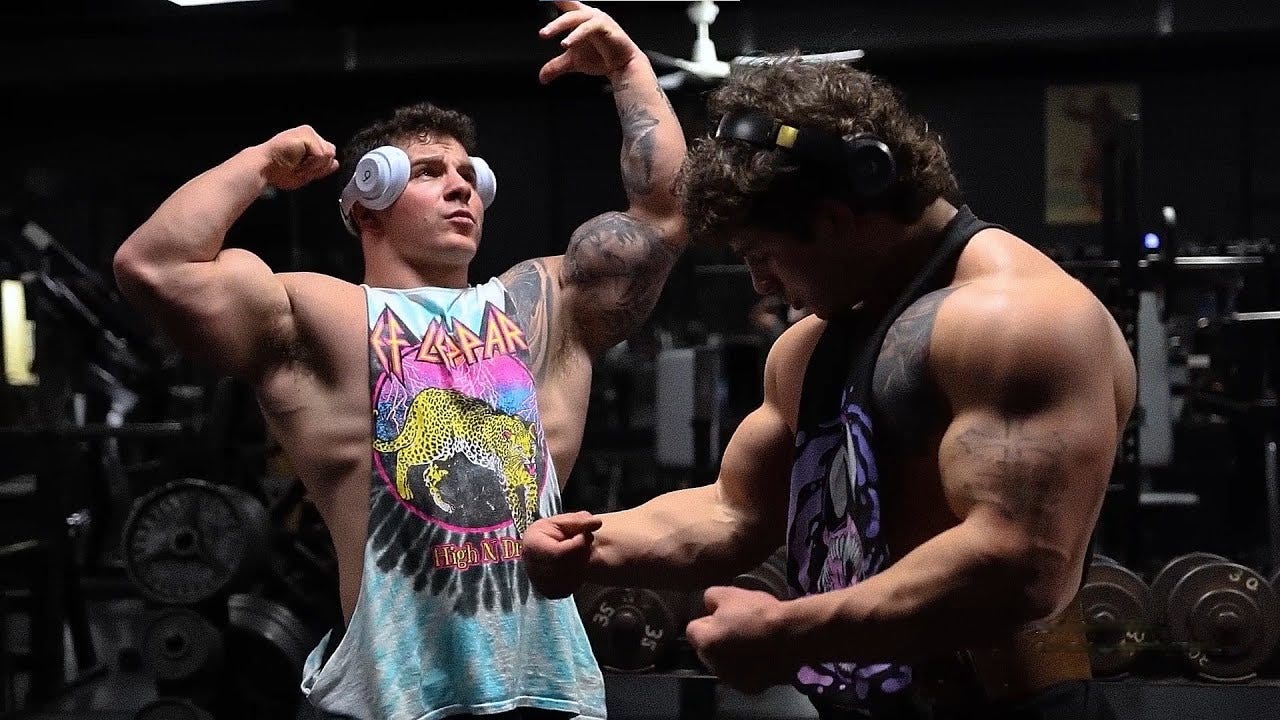
For all the fellas out there — I cannot emphasize enough how much fun it is to lift like Ethan. You can let drill sergeants scream into your ear while you toss your own bodyweight around like a rag doll. You can listen to DMX while nodding vigorously at yourself in the mirror. You can blast Duel of the Fates and think about how much bigger you are than the guy on the other squat rack. You can feel like the kind of man that everyone says you shouldn’t be, but that you secretly wish you were.
You get to sweat out all the rage, status-seeking, and innate hostility that comes with carrying a boatload of testosterone. And then you get to walk out the door and leave it all behind.
2. Get mad — use your anger to win at all costs.
Understandably, male anger gets a bad rep. Anger makes men say mean things to their friends, hit their wives, and yell at their children. Anger fuels murder and rape. In all its archetypal forms, anger is an unseemly emotion.
But I don’t think anger is inherently bad. Andrew Tate is a very angry person, but I also bet Nelson Mandela was a very angry person — he just managed to use his anger productively. Andrew Tate gets mad when women won’t sleep with him. Nelson Mandela got mad when the South African government stripped Africans of the right to vote.
To illustrate the right kind of anger, let me tell you about my Dad, a labor lawyer and teacher. For the sake of writing, I’ll call him Steve. By all normal standards, Steve is a very placid guy. He has never yelled at my brother, my mom, or me; he likes to play fetch with our eight-pound cockapoos; he is preternaturally sweet with little kids.
And yet, everyone in my family calls him an “angry young man.” We call him this because he spent hundreds of hours fighting the unnecessary development of a new shopping complex at the entrance of our neighborhood; and because he likes to take pamphlets from Jews for Jesus missionaries and rip them up; and because he will take on any labor lawsuit from a friend or family member and fight for months, if not years, to make sure they get their due. Want to see male anger? Ask Steve what he thinks about Donald Trump.
Steve is intensely stubborn, passionate, and dedicated to any fight that raises its leery head. If he thinks something is unfair — whether in national affairs or the policies of a spring-break company that screwed over his teenage client — he commits himself completely to rectifying it in whatever way he can.
Occasionally, these qualities verge on Larry Davidism. One time, we were objectively ten minutes late for a flight that had already left, and I watched him argue for two hours with attendants from Delta Airlines that they had abruptly changed the boarding gate and thus made punctuality impossible. But mostly, it is inspiring to watch him work so wholeheartedly for his causes.
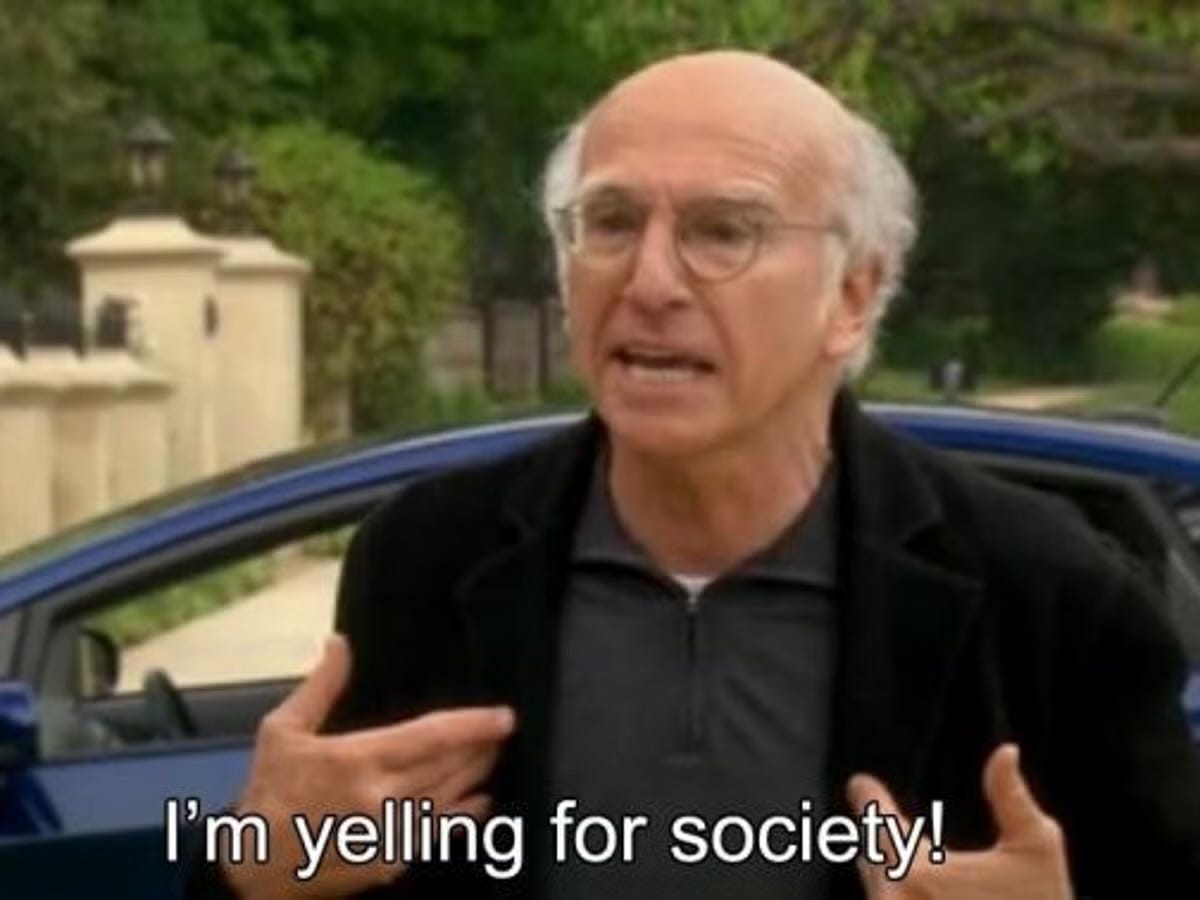
The engine behind this level of commitment? Anger. He is angry that companies can fuck over their employees and get away with it. He is angry that morons and self-avowed rapists can take charge of the American government. He is angry that evil people can use the obscurities of law to take whatever they want from people who lack the knowledge to fight back. He is angry that our hometown is selling local land to Chick Fil-a, and he is angry that our car insurance is trying to wrench an extra fifty bucks from my mom. He is the most angry man I have ever known, and that is what I love about him most.
On any given day, there are a million things happening in the world that are worth getting mad about. So: be a man. Get mad.
3. Provide for your loved ones.
There are lots of ways to be a provider. One (mostly dead) way was to marry a tradwife for you to lavish with dresses and vacations. But there is a great alternative: be aggressively helpful.

What does aggressive helpfulness look like? Here are a few examples, drawn from some of the most violently hospitable men I know:
Noah (a lawyer: I have a type) is another one of my closest friends, as well as my housemate for four of the last six years. Realistically, he has done about 80% of the chores in every house we shared, without ever once asking for help. He is also the only person I have ever met who, if you lose your phone in the cushions of a couch, will immediately leap up and start searching with you — he will not stop helping unless you command him to stop.
Sanjeeth is a medical student. Last spring, we traveled to Japan with a mutual friend, his girlfriend, and a few of his classmates. Sanjeeth singlehandedly organized and navigated our group through the intricacies of traveling by bus and train through four different cities. We didn’t ask him to do this: he just did it, because no one else was. Without his guidance, I am convinced that we would have missed at least three different trains and completely shattered our itinerary.
Lucas is a rehabilitative therapist for children with severe mental illnesses. Unsurprisingly, he is an incredibly good listener and deeply empathetic: people naturally (and correctly) feel like they can trust him with their problems. Like me, he is not a very good texter. We have been trying to talk about the new Superman film for three weeks. But if I message with something personally serious to discuss with him, he drops everything he’s doing and calls me immediately — this has been true on every occasion for the nine years that I have known him.
Benji is my little brother. He runs a very successful fitness equipment company and is constantly traveling around the world, taking calls, and doing everything else a CEO must do to keep their business functioning. During the past few springs, he has usually been in China for work. But most years, he literally flies across the globe to attend our annual Pesach seder, stays for two days, then flies back. He seeks no attention or praise for this exhausting and ridiculous plan. For him, it is just that important to be there.
Noah, Sanjeeth, Lucas, and Benji are aggressively helpful. They are providers. They commit themselves completely to supporting their people, and they ask for nothing in return. They serve as spiritual anchors in the lives of those who know them. Not because they’re winning bread, or playing a zero-sum game of helpfulness: because they always, always show up when you need them.
Providing for your loved ones has never really been about dominance: the men who saw it that way were the same men who could not bear to say “I love you” to their children. The essence of being a provider is stability: it is making people feel unequivocally cared for and safe. That is what these men do.
And as you can hopefully tell, it doesn’t take much to start. All you have to do is get up and help the next time somebody loses their phone.
Men Want Rules for Life
The Democrats say they’re looking for a Joe Rogan of the Left. By this, they seem to mean someone who appeals to the interests of young men and, in doing so, draws them toward a liberal worldview. The main feature they have prioritized in their search for this mythical individual is “someone who is not afraid to say whatever the heck they want!”
I think their approach is all wrong — or at least, that the appeal of the manosphere has very little to do with how willing its members are to yell slurs and talk about conspiracy theories. People like Rogan, Tate, Andrew Huberman and the rest of the motley crue are winning with men because they tell men what they should be doing with themselves. Men, being humans, want a script for their identity. And these guys are giving them a plot, while we sit around chattering about how much the old one sucked. Specifically, they’re providing a script that accords with the impulses that most men, most of the time, are interested in pursuing.
So we need to compete. We need to stop pretending that masculinity is a made-up quality; we need to acknowledge that it is real, identifiable, and manifests in consistent forms across the cross-cultural record. Then we need to use those consistent forms to create an actionable model for masculinity — one that doesn’t traffic in 20th century sexism, but still aligns with the basic drives that (probably) come with being a testosterone-added ape inextricably shaped by evolution. We don’t need a Joe Rogan of the Left. We need a liberal 12 Rules for Life.
And if winning elections and combatting misogyny isn’t enough of an incentive, spare a tear for the men themselves. Think of the money and time and love they’re losing to these monsters who pretend to care about their sadness and shame.
If you care about a man, then you should care about masculinity. Men need it, no matter how much we want to act like it doesn’t exist. And that means everyone else needs it too.
For more information on these points — especially the educational disadvantage of having a male brain — I highly recommend Of Boys and Men, by Richard Reeves. I’d also recommend this awesome debate in Aeon on the causal influence of testosterone on male behavior.
I do want to note that I really liked this piece, and it actually makes something near the same point that I’m making here. However, I think it doesn’t go far enough, and also fails to consider that some “paths” to masculinity are likely to be much more compelling for most men due to either biological proclivities or cultural stickness.
From New York Magazine.
Just to do some anthropology due diligence here: the use of present-tense does not imply that these rites are definitely still happening today. Honestly, I’m still not sure about the right grammatical framing for ethnographic cases that are not necessarily ongoing — I’d be keen to hear thoughts on how to do that correctly!
From Rituals of Manhood, by Gilbert Herdt.
From Cattle Brings Us to Our Enemies, by J. Terence McCabe.
For folks interested in reading more about the scientific debates around gender, I recommend Ed Hagen’s recent review of a new book by Agustin Fuentes, Sex is a Spectrum. One adjacent but also fascinating topic is the evolution of war, which (shockingly, I know) dovetails with the evolution of masculinity. For a primer on that, I highly recommend this interview with Luke Glowacki from On Humans.
Men who are stable, wealthy, educated, and who have success with women dont follow andrew tate. If you want to get rid of "toxic masculinity" you have to address the incel question. Historically, this was achieved by sending the incels to die in war, for the hope of a captured bride. Or via strict religious control of sexuality, like the puritans, who had a marriage rate for men of 98%. Simply ignoring them will lead to chaos, instability, and violence. Maybe they can be pacified by weed and VR porn though. We shall see in the next couple decades.
You might be interested in a book called "Iron John" written by Robert Bly. It's basically a novel length analysis of the Brothers Grimm fairy tale by the same name. The analysis poses the fairy tale as just the kind of script you refer to here. It is really weird and at times you'll find yourself wondering which hallucinogenic plant Robert boof'ed, but it also lays out an interesting roadmap to masculinity analogous to a kind of Freudian hero's journey of sexuality and identity.